
Disabilities &
Medical Conditions in Special Needs Adoption
Many children waiting for adoptive families have special needs, ranging from mild to significant.
Many children eligible for international adoption today have disabilities or medical conditions that require specialized care. While the prospect of parenting a child with special needs can seem intimidating, these conditions vary greatly — and are often less significant than an adoptive family may initially believe.
We encourage all prospective adoptive families to be open and honest throughout the adoption process, and learn more about the profile of child they are prepared to parent. Below, you will find important information about some of the more common disabilities and medical conditions among children waiting to be adopted. You’ll also find stories from experienced Holt families who are successfully caring for a child with one of these common conditions.
Index of Medical Conditions on This Page:
- Apert Syndrome
- Arthrogryposis
- Atrial Septal Defect
- Attention-Deficit/Hyperactivity Disorder
- Autism
- Cerebral Palsy
- Chronic Recurrent Multifocal Osteomyelitis (CRMO)
- Cleft Lip & Cleft Palate
- Congenital Heart Disease
- Down Syndrome & General Low Tone
- Epilepsy
- Fetal Alcohol Spectrum Disorder
- Fragile X Syndrome
- Global Developmental Delays
- Growth Faltering
- Hearing Loss
Apert Syndrome
Apert Syndrome is a rare genetic condition which causes the joints of the skull bones (sutures) to close too soon during fetal development. This causes the baby's skull and face to have a distinct look with a wide and tall forehead and the middle of the face to be somewhat flattened. Other common traits include syndactyly, or webbing in the hands and feet.
Apert Syndrome occurs in 1 out of every 65,000 births. It is a genetic condition that can be passed on when at least one of the parents is a carrier of a specific gene mutation. A genetic condition is not caused by something the parent did while pregnant.
Primary features of Apert Syndrome cause unique facial characteristics. This is caused by the bones of the head and face closing too early during fetal development. There are 22 bones in the skull. Where the bones come together are called sutures. When the sutures fuse together too soon in development that is called cranial stenosis. Cranial stenosis does not let the skull expand evenly as the infant grows. This impacts how the head and face develop, but it also impacts brain development and growth. Other considerations of early skull closure include mouth and airway differences.
Facial Characteristics: Overall, head shape is asymmetrical. Meaning the head is not even on both sides. The head appears longer and more pointed at the top, with the back of the head flat and the forehead wider and taller. Eyes are set farther apart and appear to be bulging with the downward slanting corners. Due to lack of development, the center of the baby's face appears somewhat pushed-inward and the baby's nose may appear flat or beaked.
Infants with Apert Syndrome may have a cleft lip, which is a split to one side or both sides of the upper lip, or a cleft lip and palate, which means the split moves all the way back onto the roof of the mouth.
Another common feature is syndactyly. Syndactyly is a condition where two or more fingers or toes are partially or fully webbed together.
Signs & Symptoms
- Skeletal
- Slower growth in height, although the child was normal weight and length at birth
- Fused bones in the neck, forearm, and wrists
- Neurologic
- Varying degrees of developmental delays
- Mild to moderate intellectual disability
- Brain structure differences, including the absence of the corpus callosum (the structure that connects the two sides of the brain)
- Enlarged spaces in the brain and inability to separate brain cavities
- Ears
- Hearing loss
- Frequent or chronic ear infections
- Cardiac
- Openings between the lower chambers of the heart
- Overriding aorta, where the main artery receives mixed oxygen-poor and oxygen-rich blood, resulting in less oxygen being delivered to the body
- Gastrointestinal & Genitourinary
- Narrowing of the stomach outlet or upper intestine
- Blockage or narrowing of the esophagus (the tube that carries food from mouth to stomach)
- Anus located in an abnormal position
- Genital differences, including undescended testicles or vaginal blockage
- Kidney enlargement because of urinary blockages
- Esophageal stenosis: the esophagus narrows at the end, causing difficulty moving food from the esophagus and into the stomach
- Pyloric stenosis: the area between the stomach and small intestine narrows, causing difficulty moving digesting food from the stomach and into the small intestine for continued digestion
- Esophageal atresia: the esophagus and stomach do not connect properly
- Ectopic anus: the rectum and the anus do not connect properly, causing issues with bodily waste exiting the body
Complications
- Increased pressure inside the skull
- Vision concerns, including corneal injury and scarring
- Difficulty breathing and sleep-disordered breathing
- Risk of aspiration (food or liquid entering lungs), pneumonia, and chronic lung disease
- Spinal cord or neurologic injury, including cervical spine abnormalities
Nutrition & Feeding Implications
Children with Apert Syndrome often require special nutrition and feeding support due to combined structural, neurologic, and respiratory factors.
Due to airway safety concerns, modified means of oral feeding may be required. Some children require nasogastric (NG) for short-term use or gastrostomy (g-tube) feeding for long-term use.
Oral & Dental Considerations
- High and narrow hard palate can make it difficult for infants to hold a bottle nipple with their tongue against the roof of the mouth to create an effective latch and seal with the tongue for successful feeding
- A high, narrow and/or cleft palate can cause food to get lodged into that space or cleft
- A cleft palate makes it impossible to create suction when using a bottle
- Gum malformation may cause delayed tooth eruption, missing teeth, crowding teeth, and poor alignment of teeth, making chewing solid food difficult
- Differences in enamel thickness causing teeth to be more sensitive to:
- Hot and cold temperatures
- Touch, like when brushing teeth
- Taste, like sweet/sour foods
- Increased risk of cavities
- Dental discomfort
- Food leaking from the corners of mouth, coughing or gasping, red and watering eyes, or crying during bottle feeding indicates need for a feeding specialist
Environment & Positioning
- Infants with cleft lip and cleft lip and palate should be positioned in a 90-degree upright position. Offer frequent burp breaks throughout the feeding.
- Try holding the infant on lap with the 'cleft side' outward and holding shoulders, neck, and head with one hand. With the other hand holding the bottle, the palm or fingers assist to 'close' the gap by gently resting fingers and palm on the cheek of the affected side.
- Use a child-sized chair and table to fit the size of the child where feet can rest on a firm flat surface. Ensure the back and hips are well-supported to optimize breathing and endurance. The tabletop and plate/bowl should be located between the stomach and the chest to prevent fatigue when feeding.
- Due to potential hearing and vision problems, provide a well-lit area for eating and drinking.
- Create a welcoming atmosphere for learning — encourage children to try and feed themselves.
- Create predictable mealtime routines that allow the child to participate in set-up, self-feeding, and cleaning up afterwards.
- Establish predictable and consistent mealtime routines to reduce stress and increase engagement.
Texture & Food Modifications
- Softer, moist, and single-texture foods may be more easily tolerated
- Offer finger feeding foods like soft crackers or soft fruit that easily melt or can be mashed using the tongue
- Using child-sized eating utensils (instead of serving spoons and cooking utensils) will help children to take small bites. If someone is feeding a child, allow one bite to be swallowed before providing the next bite.
- Avoid dry and crumbly, hard, thick or sticky foods if swallowing difficulties are suspected. A child who coughs frequently when eating (and does not have an illness) may have swallowing concerns.
- If the child is able to feed themselves by hand or utensil, allow them the opportunity; they may know the best places to position the food in their mouth for successful chewing and swallowing.
Skill Development
- Feeding skill development is learned through regular practice and a safe learning environment.
- Feeding skill expectations should be based on a child's ability to participate at their optimal level, not based on their age.
- Providing the child with appropriate utensils for the task — such as a fork for chunks of food, and a spoon for scooping rice. Use cups that are easy to manage for the size of the feeder.
- Soup or thin liquid broth with noodles and pieces of meat and vegetables are very hard to control in the mouth. This can cause aspiration of liquid going into the lungs and choking with solid pieces accidentally getting in the airway.
- Allow the child time to eat at their own pace. Mealtime can last between 20 to 30 minutes. This would allow the child time to rest, practice feeding skills, and socialize with peers and adults.
- Watch out for signs of distress. This could include color changes in the face, coughing, increased work of breathing (panting or breathing rapidly). Other signs of distress could include behavior such as not wanting to sit at the table, refusing to eat certain foods, or crying when being fed by someone.
Sensory & Engagement Strategies
- Play is a very effective way for children to learn. Infants and very young children learn best when allowed to play to learn. Encourage exploration with cups, utensils, water, and snack foods without pressure to eat.
- Offer group play: placing two or more older infants and toddlers in a safe and supervised setting to explore with cups, utensils, water, and snack foods without pressure to eat. Watching others helps them learn.
- Establish consistent mealtime cues to build trust and predictability.
- Respecting sensory sensitivities means never forcing an infant, toddler, or child to eat or drink something that they are uncomfortable consuming. The child may be refusing because they are protecting their airway and keeping themselves from choking. Strong relationships will encourage your child to share and for you to learn about their likes and dislikes.
Team-Based Support
- If a child is refusing to eat certain foods, is not advancing to age-level expected foods, or only drinking from a bottle after one year of age, seek feeding therapy with a speech therapist or occupational therapist.
- If feeding difficulties are not addressed when the infant or child is younger, feeding issues often worsen with age.
- Dentists, craniofacial specialists, and orthodontic specialists may be ongoing partners in the child's care.
Care & Treatment
There is no cure for this condition, but some medical procedures can help promote optimal outcomes. This could include surgeries to assist in cranial expansion, or shunt placement may be required to assist with cerebral spinal fluid movement and pressure. Cleft lip and palate surgery may be required. The infant or child may need G-tube placement. Fundoscopy and polysomnography are recommended annually until age 6. Yearly hearing evaluations are recommended until age 4. Vision and dental evaluations are recommended at least once a year.
Additional Resources
The following organizations and resources can provide further information. If you'd like to speak with someone at Holt about adopting a child with special needs, please email one of our adoption specialists to learn more.
Arthrogryposis
Arthrogryposis Multiplex Congenita (AMC) is a characteristic found in a multitude of disorders. It can be caused by neurologic, muscular, connective tissue, or genetic disorders, or when a baby does not move as much as it should during pregnancy.
Arthrogryposis can be caused by neurologic, muscular, connective, tissue, or genetic disorders. It can also be caused when a baby does not move as much as it should during pregnancy, possibly due to low amniotic fluid levels while in utero. There are more than 35 genetic disorders of which arthrogryposis is a characteristic.
Arthrogryposis is the occurrence of more than one, and frequently multiple contractures at birth. A contracture is a congenital anomaly that causes permanent tightening of a muscle, skin, and tendon that makes joints stiff. A joint is where two or more bones come together like wrists, elbow, hips, and knees. The spine, which contains 33 bones, can also be affected.
People born with arthrogryposis are born with joints that may rest in different positions than typically functioning joints.
The two most common forms include:
Amyoplasia — Contractures in the larger joints of the body are impacted: joints of the arms and legs.
Distal arthrogryposis — Contractures occur in smaller joints such as the hands and feet.
Signs & Symptoms
- Limited or absent movement around the affected joints
- Underdeveloped muscles around the joints, often described as soft or "doughy"
- Thin or fragile long bones of the arms and legs
- Central nervous system (neurological conditions) may also be present
- Other conditions may also be present like cleft palate, undescended testicles in males, or intellectual disabilities
Complications
- Decreased mobility
- Decreased ability to perform daily activities and personal independence
- Developmental delays in motor skills
- Fatigue when performing physical tasks
- Feeding difficulties related to limited range of motion or muscle weakness
- Feeding difficulties due to poor posture, muscle weakness, or malformation of the neck and jaw
Nutrition & Feeding Implications
Children with AMC face various physical complications impacting their motor skills. The digestive system is typically not impacted by this condition. However, posture, lack of mobility, and muscle tone can impact the efficiency of the digestive system, and children may experience constipation. Constipation can also affect a child's appetite. If endurance is limited, try breaking meals into shorter sessions and offer higher-calorie and high-protein foods at the start of the meal.
Oral/Motor Considerations
- Weak jaw, tongue, or facial muscles may impact chewing and swallowing
- Limited neck or trunk control may impact safe positioning for feeding and swallowing
- Weak hand function may impact the ability to self-feed (holding utensils or handling food)
- Upper body and extremity limited joint range of motion impacting self-feeding
Environment & Positioning
- Stable seating with full trunk, hip, leg, and foot support is essential. This may include making modifications to the chair the child uses. Adding straps, padding, or using pillows, towels, or other external supports to maintain an upright midline position with hips and knees bent.
- Ensure your child's feet are on a stable, firm surface.
- Adjust chair height and tray placement to reduce fatigue. A child who is able to rest their elbows on the table top is typically in a good position.
- Ensure neutral head and neck alignment for safe swallowing. A high-backed chair may be helpful.
- Make sure food and drink are positioned to allow for ease of access for a child's unique range of motion.
Texture & Food Modifications
- Prepare food in a way that allows for optimal independence. Example: serving drinks in a cup with a lid and straw, or cutting food on the plate to allow for single-hand eating.
- Softer textures may be easier to manage if chewing endurance is low. Moist foods reduce energy expenditure during eating.
- Thin liquids (like broth) are very hard to keep on a spoon; try thicker textures such as a creamy rice soup that will stay on a spoon to support self-feeding.
- Texture advancement should be based on strength and control, not age.
Skill Development
- Feeding skill development is learned through regular practice and a safe, positive learning environment. Learning to eat independently can be messy!
- Feeding skill expectations should be based on a child's ability to participate at their optimal level, not based only on their age.
- Adaptive utensils (angled spoons, extended handles, and built-up handles) may improve independence. It may take a while to create the just-right modified utensil to help a child eat independently and for your child to learn to use the modified utensil. This means the child needs frequent opportunities to practice; messes will be made. Allow practice without risk of the child feeling embarrassed for trying!
- Allow your child time to eat at their own pace. Mealtime can last between 20 to 30 minutes. This would allow the child time to rest, practice feeding skills, and socialize with peers and adults. Allow ample time for meals; rushing can increase frustration and fatigue.
- Encourage self-feeding, when possible, even for part of the meal. A child may need help with some tasks, such as opening a juice container or cutting meat, but that doesn't mean they need help with all parts of the meal. Allow a child to do what they can and support when needed.
Sensory & Engagement
- Children may disengage from feeding due to the amount of effort required to feed themselves, not simply because they are "a picky feeder" or refusing to eat foods presented. For example, a child may choose foods they are able to eat with their hands because utensils are too difficult.
- Match the size of the utensil to the size of the child eating. This means limiting the use of serving spoons as mealtime utensils.
- When using bowls, make sure the child is positioned at a height that allows them to look down into the bowl from a seated position.
- Maintain calm, encouraging mealtimes without pressure for the child to perform. This includes not having caregivers feed the child because they are eating too slowly.
- Allow children to eat together at the same table or sit in a circle. Eat with children when possible and engage in conversation together.
Team-Based Support
- A specially trained speech or occupational therapist can provide feeding therapy to support oral-motor skills, help with optimal positioning for the child, and creating, adapting, or modifying utensils and other mealtime elements to increase feeding ease and success.
- Whenever the skeletal system is involved, it is important to maintain accurate bone growth measurements as well as height and weight. This will help ensure a child's energy needs are met.
Care & Treatment
Depending on the individual's needs, the care team may include speech therapy to assist with eating and swallowing, occupational therapy to assist with activity of daily living participation including mealtimes and the creation of adaptive utensils, physical therapy for gentle joint manipulation and stretching exercises, an orthopedic team if surgery is needed, and an orthotist who may be involved in creating splints or if serial casting is used to mobilize joints.
Additional Resources
The following organizations and resources can provide further information. If you'd like to speak with someone at Holt about adopting a child with special needs, please email one of our adoption specialists to learn more.
Atrial Septal Defect
Atrial Septal Defect, or ASD, is a congenital heart condition you are born with. It is characterized by an abnormal opening between the upper chambers of the heart, which limits the amount of blood going through the lungs. It constitutes 25% of all congenital heart diseases.
Some defects close on their own while others persist and require long-term monitoring or surgery.
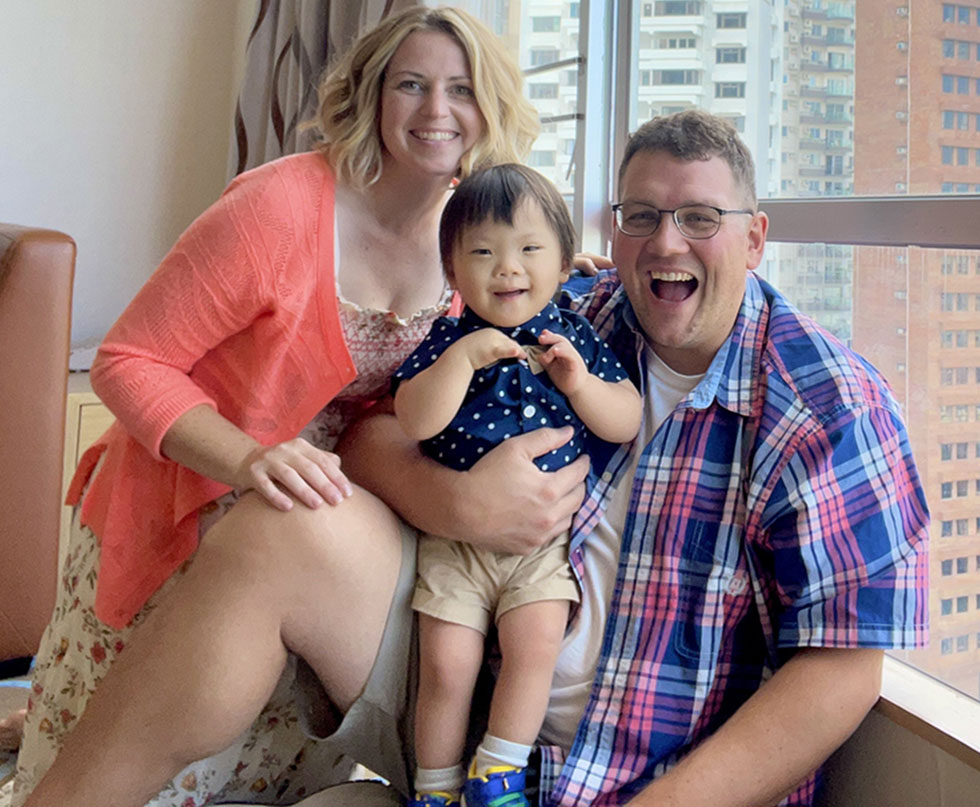
"Small holes in the heart may never be cause for concern and some close during infancy or early childhood. Others require surgery to prevent complications. In Keith’s case, the severity of his condition was unknown — one of many unknowns the Rhoads knew to anticipate with international adoption."
Signs & Symptoms
Some infants show no symptoms at first. Larger or untreated defects may cause:
- Frequent respiratory infections
- Shortness of breath while eating, playing, or exercising
- Rapid breathing and sweating while feeding
- Fatigue
- Poor weight gain
- Heart murmur
- Swelling of legs, feet, or abdomen
Complications
- Abnormal heart rhythms
- Pulmonary hypertension
- Heart failure
- Increased risk of stroke
- Increased risk of liquids entering the lungs with bottle drinking
- Poor appetite
- Fatigue during feeding
- Oral feeding challenges
- Poor growth
- Food and oral aversions
- Suboptimal hunger cues
- Frequent respiratory infections
- Fluid retention
Nutrition & Feeding Implications
An infant or a child with a chronic health condition, such as a cardiac condition, may need more calories and nutrients than normal. Children may benefit from increased frequency of opportunities to eat to increase caloric intake while also reducing fatigue by providing shortened mealtime engagement.
Environment & Positioning
- Bottle feed infants in an upright seated position. This is best done with the infant sitting directly on your lap. Make sure the infant is "sitting" in an L-shape with neck and spine in line and hips flexed. The feeder should use one hand to support the infant's shoulders, neck, and head. The hand holding the bottle should keep the liquid in a neutral position, not flowing downward. This upright and well-supported position will minimize the work of breathing for your child.
- Eating solids: If the child is sitting in a chair, ensure they are positioned in a 90/90/90 position.
- Hips are at a 90-degree angle, knees are bent at a 90-degree angle, and ankles are at a 90-degree angle with feet resting on a solid surface.
- Using a chair that has a back will support the back and entire trunk and help with endurance.
- When sitting at a table, ensure that the table and chair are a complementary height. The child should be able to rest their elbows on the table without having to lift their arms from the shoulder.
- Try to keep mealtime routines consistent. Feeding in the same area, with people who are familiar with your child, will allow them to be more relaxed and can focus on eating.
- Turning off televisions, phones, and unnecessary sounds such as talk radio can also minimize distractions to help allow the child to use energy on feeding.
Endurance and Pacing
- Infants who are being fed with bottles can be observed to start sweating with their head and shoulders bobbing up and down. This can be a sign of breathing too fast. They may also be leaking fluid from both corners of the mouth as if they are not sealing their lips around the nipple, or falling asleep right after the bottle is placed in their mouth. These are signs an infant is having to work too hard at breathing to feed safely.
- Bottle feeding supports may include slowing down the flow rate of the nipple, burping frequently for built-in rest breaks, and allowing for smaller volume feedings offered more frequently.
- Due to endurance issues, children with cardiac conditions may benefit from smaller portions offered at one time. Consider increasing the number of meals and snacks offered in a day.
- A typical mealtime lasts about 20 to 30 minutes. Allow the child to rest when needed and avoid putting pressure on the child to "keep eating" or "finish all your food." Children will take natural rest breaks during mealtimes.
- Watch for signs of fatigue setting in as the bottle or meal continues. This may look like coughing or choking, leaning over the tabletop and resting on elbows, or the child looking sleepy or telling you they feel tired.
Texture & Feeding Approach
- Some texture changes can allow a child to take in more calories without as much effort. This could include using fresh fruits and vegetables to make a smoothie instead of having to eat the same volume of fresh fruits and vegetables. Peanut butter and other nut butter spreads are an excellent way to provide calorically dense foods in an efficient way.
- Allow children to swallow before offering another spoonful of food.
- For older children, it may be helpful to choose foods that require less chewing to conserve energy. This could include using ground or shredded meat.
- Due to issues of endurance and fatigue, maximize feeding opportunities by offering high-quality fat, protein-rich, or carbohydrate-dense foods at the start of the meal.
Growth and Nutrition Support
- Heart conditions cause a body to work harder to supply oxygenated blood to the body. Due to this, higher-calorie foods may be needed to support growth.
- Monitor growth, especially weight and height/length, to ensure an accurate picture of the child's proportionate growth over time.
- Referral to a dietitian can help identify caloric needs to prevent poor weight gain and support growth.
Care & Treatment
Surgical treatment may be necessary for large defects that do not close on their own. Surgery can add additional nutrition and feeding needs for children. A pulse oximeter can help track heart rate and blood oxygen levels during mealtimes. This real-time information can guide caregivers to provide increased pacing, rest breaks, and make other modifications to the feeding to increase safety and well-being.
Additional Resources
The following organizations and resources can provide further information. If you'd like to speak with someone at Holt about adopting a child with special needs, please email one of our adoption specialists to learn more.
Attention-Deficit/Hyperactivity Disorder
Attention-Deficit/Hyperactivity Disorder (ADHD) is a developmental disorder associated with an ongoing pattern of inattention, hyperactivity and/or impulsivity.
Symptoms of ADHD can interfere with daily activities and relationships. ADHD begins in childhood and can continue into the teen years and adulthood.
Researchers are not sure what causes ADHD, although many studies suggest that genes play a large role. Like many other disorders, ADHD probably results from a combination of factors. In addition to genetics, researchers are looking at possible environmental factors that might raise the risk of developing ADHD and are studying how brain injuries, nutrition and social environments might also play a role.
Although there is no cure for ADHD, currently available treatments may help reduce symptoms and improve functioning. ADHD is commonly treated with medication, education or training, therapy or a combination of treatments.
Causes
There is no single cause of ADHD, but children who develop ADHD may have the following risk factors:
- Maternal smoking, alcohol and substance abuse during pregnancy
- Maternal stress during pregnancy
- Low birth weight
- Exposure to environmental contaminants
- Exposure to lead
Signs & Symptoms
The following are the most common symptoms of ADHD. However, each child may experience different symptoms.
Inattention
A child:
- Has difficulty sustaining attention (short attention span for age)
- Has difficulty listening to others
- Has difficulty attending to details
- Is easily distracted
- Is forgetful
- Has poor organizational skills for age
- Has poor study skills for age
Impulsivity
A child:
- Often interrupts others
- Has difficulty waiting their turn in school and/or social games
- Tends to blurt out answers instead of waiting to be called upon
- Takes frequent risks, often without thinking before acting
Hyperactivity
A child:
- Seems to be in constant motion — runs or climbs, at times with no apparent goal except motion
- Has difficulty remaining in their seat even when it is expected
- Excessively fidgets with their hands or squirms when in their seat
- Talks excessively
- Has difficulty engaging in quiet activities
- Loses or forgets things repeatedly and often
- Is unable to stay on task — shifts from one task to another without bringing any to completion
Complications
ADHD often occurs with other disorders. Many children with ADHD experience behavior or conduct problems, learning disorders, anxiety and depression, difficult peer relationships and risk of injury.
Nutrition & Feeding Implications
There is no evidence to suggest that diet causes ADHD. However, research has found that dietary changes can help improve symptoms in some children. Talk with your child's doctor or a dietitian before starting any diets for ADHD. Many restrictive diets can lead to nutritional issues. Some doctors may suggest supplements like vitamin D, magnesium or probiotics if vitamin D levels are low.
Children with ADHD may face feeding challenges related to sensory sensitivities, selective eating habits and mealtime behaviors. These challenges can affect their ability to eat a varied and balanced diet, potentially leading to nutritional gaps.
Families can help by creating a supportive mealtime environment, accommodating sensory preferences and addressing any oral motor or swallowing difficulties. Here's how:
- Lead by example, by consuming nutritious foods and beverages as a family.
- Eat a variety of fruits and vegetables, pairing them with whole grains and foods that are high in protein, such as eggs, fish, chicken, meats, beans, tofu, nuts and seeds. If a child is selective in their eating, try offering new foods along with those they are comfortable with.
- Offer plenty of calcium-rich foods and beverages, such as tofu, yogurt, cheese, soy milk and cow’s milk. Other sources of calcium include leafy green vegetables and calcium-fortified products, such as some types of breakfast cereals and 100% fruit juice.
- Provide nutrient-rich foods including dried fruit, nuts and nut butters, and smoothies.
- Encourage plenty of fluids, especially water, to help prevent dehydration and constipation. Avoid artificially sweetened beverages.
- Children with ADHD may demonstrate strong preferences at mealtimes that can have an impact on their ability to receive well-rounded nutrition. Consult with a pediatrician to rule out any underlying medical conditions that may contribute to a child's food and liquid selectivity. A pediatrician can then help determine the next best steps, including other possible sources of support, such as a gastrointestinal specialist, allergist, feeding therapist or dietitian.
- Children with ADHD often take medications, some of which can cause a loss of appetite and weight loss. A reduced appetite can affect how many nutrients a child consumes, thereby affecting their growth and development. Because of the potential impact of medication on feeding and nutrition, it's important to have ongoing discussions with, and support from, your child's medical team. They can offer ways to modify medication use to support your child's unique nutrition needs (i.e., changing the type of medication and/or when it's taken, prescribing medication "breaks," etc.).
- Some children aren't ready to try a new food. They will need extra time and additional ways to get comfortable with something new. Familiarize your child with new foods outside of the kitchen when there is no pressure for them to eat. Learn about food from a book or TV show. Explore new foods at the grocery store. In time, you can shift toward other ways to explore these foods, such as touching, smelling, licking and eventually tasting and eating the food.
- It can take upwards of 20 times for a child to accept a new food! This means it's important to offer a child many opportunities to explore a food and not to expect them to enjoy it right away. Also, if a child repeatedly refuses a food, consider offering it in a different way. If a child continues to refuse a food after more than 20 offerings, it might just be their individual preference, and that's okay! Move on to another food to explore.
- Sometimes too many options or too much food or liquid can feel overwhelming for a child with ADHD and have an impact on mealtimes. Offer smaller amounts of food and fewer options at a time. Then, once a child has had ample time, consider introducing more food or liquid or another option.
- Limit distractions at mealtimes, including the use of electronic devices. Instead, aim to focus your child's attention on the mealtime experience.
- Consult with a feeding specialist, such as a speech-language pathologist or occupational therapist, and/or a dietitian for additional support if your child demonstrates a reduced interest in food or liquids, or if there are concerns about their growth and nutrition and mealtimes.
- Parents and caregivers can often feel distress, frustration or worry while supporting a child with ADHD, and particularly when there are difficulties surrounding feeding and nutrition. Feeding is inherently relational, and when it is challenging, it can challenge important relationships. Finding support from a licensed mental health provider can be one of the best ways a parent or caregiver can support themselves so that they can best support their child.
Care & Treatment
For children with ADHD who are younger than 6, the American Academy of Pediatrics (AAP) recommends that parents receive training in behavior management as the first line of treatment before trying medication with their child. The AAP recommends a treatment plan of both medication and behavior therapy for children 6 years and older. Schools can be part of the treatment plan, by adding behavioral classroom intervention and school support.
The following suggestions may help a child with ADHD:
- Create a routine. Try to follow the same schedule every day, from wake-up time to bedtime.
- Get organized. Encourage your child to put schoolbags, clothing and toys in the same place every day so they will be less likely to lose them.
- Manage distractions. Turn off the TV, limit noise and provide a clean workspace when your child is doing homework. Some children with ADHD learn well if they are moving or listening to background music. Watch your child and see what works.
- Limit choices. To help your child from feeling overwhelmed or overstimulated, offer choices with only a few options. For example, have them choose between this outfit or that one, this meal or that one, or this toy or another.
- Be clear and specific when talking with your child. Let your child know you are listening by repeating back to them what you heard them say. Use clear, brief directions when they need to do something.
- Help your child plan. Break down complicated tasks into simpler, shorter steps. For long tasks, starting early and taking breaks may help limit stress.
- Use goals and praise or other rewards. Use a chart to list goals and track positive behaviors, then let your child know they have done well by telling them or by rewarding their efforts in other ways. Be sure the goals are realistic — small steps are important!
- Discipline effectively. Instead of scolding, yelling or spanking, use effective directions, time-outs or removal of privileges as consequences for inappropriate behavior.
- Create positive opportunities. Children with ADHD may find certain situations stressful. Finding out and encouraging what your child does well — whether it’s school, sports, art, music or play — can help create positive experiences.
- Provide a healthy lifestyle. Nutritious food, lots of physical activity and sufficient sleep are important, as they can help keep ADHD symptoms from getting worse.
Additional Resources
The following organizations can provide further information about ADHD. If you'd like to speak with someone at Holt about adopting a child with special needs, please email one of our adoption specialists to learn more.
Autism
Autism, also known as autism spectrum disorder, is a developmental disorder that affects one in every 59 children. Boys are diagnosed with autism three to four times more frequently than girls.
Children with autism often have difficulties communicating or socializing with others. They can also exhibit repetitive behaviors or limited interests in activities.
Autism often begins before the age of 3 and can last throughout a person’s life, although symptoms may improve over time. Some children show symptoms of autism within the first year of life. In others, symptoms may not appear until 24 months or later. Some children with autism gain new skills and meet developmental milestones until they are 18-24 months of age. They then stop gaining new skills or lose the skills they once had.
Kids with autism can have a range of different symptoms and behaviors, so autism is considered a spectrum. For example, some children with autism may have advanced conversation skills, while others may be nonverbal. Some people with autism need a lot of help in their daily lives, whereas others can work and live with little to no support.
Autism affects each person differently, meaning that people with autism have unique strengths and challenges and different treatment needs. Treatment plans often seek to reduce symptoms that interfere with daily functioning and quality of life. They usually involve multiple professionals and are catered to the individual.

"I learn a lot from Tobin. One is that you should be patient and kind. Two is that you should treat him good, like hugging him. Three is that he shows me how to love and that everybody brings good into the world."
— Knox Beard, brother of Tobin, who was diagnosed with autism
Cerebral Palsy
Cerebral palsy is a disorder that impairs body movement, muscle tone and coordination. It is caused by brain damage before or during birth, or in the first 3 to 5 years of life.
Problems arise because of abnormalities in parts of the brain that control muscle movements, not the muscles themselves. Cerebral palsy can affect the body in different ways (right or left side, arms or legs, or both), depending on the severity of the disease.
The brain damage that leads to cerebral palsy can also lead to other health issues, including mental delays, seizures, vision, hearing and speech problems, and learning disabilities. The condition does not worsen over time. There is no cure for cerebral palsy, but treatment, therapy and special equipment can greatly improve a child's capabilities.
The earlier treatment begins, the better chance a child has of overcoming developmental disabilities and learning new ways to accomplish daily tasks.

"There have been some little [ways in which] we've had to adapt to her — such as her not walking as fast — and we pick her up for long distances. But really, it hasn't been that much of a shift in our thinking... We certainly didn't have any trouble falling in love with her."
— Drew Horine, father of Devki, who has cerebral palsy
Causes During Pregnancy
- Genetic conditions
- Limited blood or oxygen supply to the brain before or during birth
- Infections
- Bleeding in the brain
- Severe jaundice
- Premature birth, very low birth weight, multiple births (twins, triplets)
- Maternal smoking, alcohol and/or drug use
Causes During Infancy and Early Childhood
A small number of children might have brain damage that leads to cerebral palsy during infancy or early childhood. Causes include:
- Brain infections (bacterial meningitis)
- Malnutrition
- Car accident
- A fall
- Child abuse
- Lead poisoning
Signs & Symptoms
Cerebral palsy is usually detected before a child turns 3. Signs may include:
- Inability to control muscles in the body; arms and legs might move suddenly and involuntarily
- Problems with balance and coordination
- Stiff or tight muscles and exaggerated reflexes
- Walking with one foot or leg dragging
- Walking on the toes, a crouched gait or a “scissored” gait
- Muscle tone that is either too stiff or too floppy
Complications
For a child with cerebral palsy, poor muscle development and coordination of arms, legs, lips, tongue, jaw and throat can lead to several feeding problems and other complications. If you are caring for a child with cerebral palsy, watch for the following possible problems.
| Complications | Possible Results |
|---|---|
| Chewing and swallowing difficulty | Lengthy feedings, aspiration |
| Poor posture and head control | Lengthy feedings, aspiration |
| Easily distracted | Lengthy feedings |
| Limited hunger cues | Underweight and failure to thrive |
| Limited food intake | Underweight and failure to thrive |
| Texture and other food aversions | Underweight |
| Gastroesophageal reflux disease | Underweight and failure to thrive |
| Limited fluid intake | Constipation, dehydration |
| Limited mobility | Constipation, overweight |
| Poor dental health | Difficulty chewing |
| Medication-nutrient interactions | Nutrient deficiencies |
Additional Resources
The following organizations can provide further information about cerebral palsy. You can also read more below from one family who adopted a child with cerebral palsy. If you'd like to speak with someone at Holt about adopting a child with special needs, please email one of our adoption specialists to learn more.
Chronic Recurrent Multifocal Osteomyelitis (CRMO)
Chronic Recurrent Multifocal Osteomyelitis (CRMO) is an autoinflammatory disorder in children that causes recurring bone lesions, inflammation, and pain.
The cause of CRMO is unknown, but genetic and environmental factors may play a role. It affects children ages 4–14, with peak onset between 7 and 12 years of age. It is an autoinflammatory condition that affects the bones in children and adolescents with symptoms varying throughout the day and typically worse at night.
This condition is multifocal, which means it can affect more than one bone at a time. Primary sites of inflammation are the clavicle, humerus, and long bones of the lower body, but it can also affect the vertebrae of the spine and the pelvis. This condition is found in both girls and boys, with a higher rate in females, often around ages 9–10.
Symptoms may include bone and joint pain, skin redness or inflammation, and inflammatory bowel disease.
Signs & Symptoms
- Bone and joint pain and tenderness
- Fatigue
- Joint inflammation or arthritis
- Skin redness or inflammation
- Inflammatory bowel disease
- Psoriasis
- Blister-like lesions on the palms and soles of the feet
- Family history in some cases
Complications
- Limb length differences
- Bone deformities
- Chronic pain
- Muscle loss due to inactivity
Nutrition & Feeding Implications
Children with this condition often complain of tenderness and swelling. Children often do not want to participate in daily activities, including mealtimes. Most nutrition and feeding issues are secondary to pain, fatigue, or medication side effects. In addition, if inflammation of the bowel is present, this may impact eating and nutrient absorption as well.
Appetite & Intake
- Pain and fatigue may decrease motivation to participate in mealtimes.
- Medication side effects, in addition to pain and fatigue, can impact appetite.
- Social and emotional supports such as eating with friends, and having meals in a common area instead of being confined to their bed, may help mood and increase appetite.
- Providing gentle support, encourage the child to take short walks, gentle exercises, easy stretches, or move to music. This may reduce pain, increase circulation, maintain muscle mass, and promote feelings of well-being. All of these things will reduce deconditioning and keep children functioning at their highest level of independence.
- Offer small frequent meals of a variety of foods throughout the day to increase oral intake instead of a few large meals.
- Whenever possible, offer your child a choice of food and drinks available.
- When pain is severe, it is important to encourage a child to eat using positive emotional support and encouragement.
- Never punish a child for not eating at the expected mealtime. For example, not letting them go outside or making them stay in bed because they said their pain was too bad to eat. Participating in pleasurable activities and having the opportunity to move their bodies will often improve their appetite. This can also assist in pain reduction!
- Due to the daily waxing and waning of symptoms, remain flexible and accommodate the child to eat when pain or fatigue is lower — even if it does not line up with daily planned mealtimes.
Mealtime Environment
- Comfortable seating that minimizes pain during meals. Allow the child to choose their position, even though it may not be upright with "perfect posture." The priority is a safe swallow and eating efficiency.
- External support, such as pillows, bolsters, footstools, or using other positioning devices to support the affected limb. If the spine and neck are involved, please take extra care to provide proper spinal alignment and support. If the pelvis is involved, sitting on an inflatable 'donut' may take pressure off the sitting bones.
- Try to keep daily routines, including mealtimes, consistent. If a child is having a pain flare-up and has reduced mobility, using a visual schedule can help a child have some predictability and control in their day.
- Set up the daily routine to alternate short bouts of "work" followed by longer periods of "rest." This could look like having the child sit at the table for mealtimes, followed by lying on a blanket outside while peers play.
- Remember that pain is subjective. That means everyone feels pain in their own way. It is important to acknowledge how the child feels. Using a pain scale for children, such as the FACES-R, can be an effective way. Using language like "it is not that bad" or indicating the child needs to "toughen up," "fight through it," and even "eat to make you stronger" often backfires. Using person-centered language, such as "I can see you are in a lot of pain right now, and it's lunch time. What do you think you can do right now?" is a more empowering way to promote participation in mealtimes.
- Create low-pressure, calm mealtimes. Allow the child to make choices about the food and drinks they are able to eat. Do so without pressure on the child to finish all their food. Allow the child to eat at their own pace. Allow at least 20 to 30 minutes for a mealtime experience.
- If a child has the ability to feed themselves, allow them to do so. Frequently, caregivers will feed children rapidly, causing mealtimes to feel unpleasant.
Nutrition Support
- Nutrient-dense foods may help meet needs when intake is limited. Some texture changes can allow a child to consume more calories without as much effort. This could include using fresh fruits and vegetables to make a smoothie instead of having to eat the same volume of fresh fruits and vegetables. Peanut butter and other nut butter spreads are an excellent way to provide calorically dense foods in an efficient way.
- If you are feeding an infant supplementary food with a spoon, provide the infant time to completely swallow the food in their mouth before giving another spoonful.
- For older children, it may be helpful to choose foods that require less chewing to conserve energy. This could include using ground or shredded meat instead of traditional cuts of meat.
- Due to issues of endurance and fatigue, maximize feeding opportunities by offering high-quality fat, protein-rich, or carbohydrate-dense foods at the start of the meal.
- Reading labels and asking the child's doctor or nurse which medications are best provided with foods can frequently remove a cascade of avoidable side effects due to gastrointestinal upset related to medications.
- Provide easy access to fresh water. Hydration is important. If a child is in bed, in a wheelchair, or experiencing any type of limitation in mobility, providing lidded cups with straws, water flasks with flip tops, or a water bottle to keep with them is an age-appropriate way to keep liquids accessible.
Medical Coordination
- Children on biologic medications require infection screening, including tuberculosis (TB) testing.
- Make hand washing or using hand sanitizer a priority before each meal, especially if a child is eating food using their hands.
- Monitor growth and nutritional status using growth charts to see a more accurate picture of a child's growth.
Care & Treatment
Treatment often includes non-steroidal anti-inflammatory drugs (NSAIDs), methotrexate, biologics, and bisphosphonates. Children taking methotrexate and biologic medications are at a higher risk of infections than others; work to ensure optimal hygiene. Consider consulting a feeding specialist or a nutritionist for additional support.
Additional Resources
The following organizations and resources can provide further information. If you'd like to speak with someone at Holt about adopting a child with special needs, please email one of our adoption specialists to learn more.
Cleft Lip & Cleft Palate
Cleft lip and palate are birth defects that affect the upper lip and the roof of the mouth.
A cleft lip may be a small split in the lip or a complete split in the lip that goes all the way to the base of the nose. The cleft can occur on one or both sides of the lip. A cleft palate causes an opening in the roof of the mouth, or palate. It can occur on one or both sides of the palate, and extend for its full length. Cleft lip and cleft palate can occur together or separately.
Children with a cleft lip or palate often have problems with feeding and speaking clearly and can have ear infections. They might also have hearing problems and problems with their teeth. They will require surgery to correct the condition.
Surgery to repair a cleft lip usually occurs in the first few months of life and is recommended within the first 12 months. Surgery to repair a cleft palate is recommended within the first 18 months or earlier if possible. Many children will need additional surgical procedures as they get older.
Surgical repair can improve the look and appearance of a child’s face and might also improve breathing, hearing, and speech and language development. Children born with orofacial clefts might need other types of treatments and services, such as special dental or orthodontic care or speech therapy. With treatment and care, most children do well and lead a healthy life.

"[Hannah] is funny, smart, beautiful, bossy, and most importantly, ours. We love that when God knit her together, He knew that the very 'disability' that others would see would be what brought her together with her forever family."
— Liz
Causes
There are many potential causes of cleft lip and cleft palate such as:
- Family history of cleft lip or clef palate
- Exposure to viruses, toxic substances and environmental pollutants
- Maternal nutritional imbalances
- Association with several syndromes
Complications
Cleft lip and cleft palate provide no connection or cognitive delays, but they can complicate talking, feeding and eating. If you are caring for a child with a cleft issue, watch for these possible problems:
- Failure to gain weight
- Poor growth
- Feeding problems due to malformation of the face, delayed oral-motor development or behavioral issues
- Flow of milk through the nose during feeding
- Dental problems
- Repeated ear infections that may cause hearing loss
- Speech difficulties
Additional Resources
The following organizations can provide further information about cleft lip and cleft palate. You can also read more below from families who adopted children with clefts. If you'd like to speak with someone at Holt about adopting a child with special needs, please email one of our adoption specialists to learn more.
Congenital Heart Disease
Congenital heart disease (CHD) is a problem that is present at birth and can affect the structure of a baby’s heart and the way it works. In some cases, the heart can become enlarged to make up for its limited function.
A baby may be born with just one or several heart defects, some of which may need little or no medical treatment even through adulthood. Others are more serious and can endanger the life of the child — either immediately to the newborn, or over time. Early diagnosis and treatment is critical to the lifelong health and well-being of a child born with a congenital heart defect.
Congestive heart failure (CHF) may be a result of CHD because the heart must work harder than usual. CHF is a serious condition in which the overworked heart does not pump blood efficiently. As the heart works harder, metabolism and energy requirements increase. At the same time, blood flow decreases, resulting in small stomach size and slow gut motility.
In addition, the heart’s inefficient pumping causes fluid to back up into the lungs, liver and other organs. Therefore, children with CHF often require fluid restriction and/or a diet low in salt. This makes it difficult to provide the child with adequate energy intake.

"Melia is now 10. She had three surgeries to strengthen her heart when she first arrived home, but has not seen the operating room since! She gets annual checkups with her cardiologist, but has not needed any further interventions or medications."
— Katie
Signs & Symptoms
Signs and symptoms of CHD depend on the type and severity of the illness. Contact your doctor if your child:
- Has bluish-tinted nails, lips or tongue
- Has fast or difficulty breathing
- Sweats, especially during feeding
- Tires easily when feeding
- Is very sleepy
CHF can affect either the right or left side of the heart. Right-sided CHF is the most common in children with CHD. The child may show different signs and symptoms based on the side affected:
| Left | Right |
|---|---|
| Rapid breathing Rapid heartbeat Sweating Tires easily Shortness of breath while feeding |
GI malabsorption Vomiting Diarrhea Tires easily Shortness of breath while feeding |
| Possible result of symptoms above: Slow weight and height gain |
Possible result of symptoms above: Slow weight gain |
Complications
Children diagnosed with CHD are at nutritional risk and often demonstrate slow growth, which becomes apparent early in life. Depending on cardiac status, many factors may cause poor growth and malnutrition.
CAUSES OF POOR GROWTH AND MALNUTRITION IN CHILDREN WITH CHD
- Poor appetite
- Fatigue during feeding
- Oral feeding challenges
- Food and oral aversions
- Suboptimal hunger cues
- Early fullness
- Nausea and vomiting
- Reflux
- Fluid restriction

Possible outcome:
Decreased food intake
Additional Resources
The following organizations can provide further information about CHD. You can also read more below from families who adopted children with CHD. If you'd like to speak with someone at Holt about adopting a child with special needs, please email one of our adoption specialists to learn more.
Down Syndrome & General Low Tone
Down syndrome, also called Trisomy 21, is a condition in which extra genetic material causes delays in the way a child develops, both mentally and physically.
Medical problems may vary from child to child. While some children diagnosed with need a lot of medical attention, others lead lives where the disease has less of an impact on their daily functions.
Low muscle tone, or hypotonia, is common in kids with Down syndrome, but is less obvious as they get older. Children will reach developmental milestones, like sitting up, crawling, and walking, though typically later than other kids do. Low muscle tone may also contribute to sucking and feeding problems during early childhood, as well as gastroesophageal reflux and constipation.
Fortunately, the health problems associated with Down syndrome can be managed well, especially when detected early, and many resources are available to help children and their families.

"We strongly encourage other families to not shy away from special needs adoption! What you don't know or understand, you will learn. What fears you have will be erased when you pray and seek the support of others, especially those who have made a similar journey."
— Jade and David Presnell, parents of Micah, who has Down syndrome
Causes
Down syndrome is a condition in which a baby is born with an extra chromosome. The extra chromosome is associated with delays in the child’s mental and physical development, as well as an increased risk for health problems. The exact cause of why this happens is unknown. Women who become pregnant after the age of 35 have a significantly higher risk of having a child diagnosed with Down syndrome.
Signs & Symptoms
Common physical features include:
- Flat facial profile
- An upward slant to the eyes
- Small ears
- A protruding tongue
- Excessive drooling
- Low muscle tone (babies in particular may seem especially "floppy")
Complications
Infants:
- Slower growth rate
- Difficulty sleeping
- Sucking and feeding problems
- Constipation
- Delayed developmental milestones (sitting up, crawling and walking)
Toddlers and Older Children:
- Difficulty learning
- Delays in speech
- Delays in self-care skills (feeding, dressing, use of toilet)
- Slow metabolism that may result in being overweight
- Thyroid problems
- Seizure disorders
- Respiratory problems
- Vision or hearing problems
- Problems with the heart and lungs
- Increased susceptibility to infections
Low tone can, and often does, improve over time. Most children diagnosed with Down syndrome typically reach developmental milestones later than other kids. Children diagnosed with Down syndrome are capable of learning and developing skills throughout their lives. They simply reach goals at a different pace, which is why it is important not to compare a child with Down syndrome to a child without Down syndrome.
Additional Resources
The following organizations can provide further information about Down syndrome. You can also read more below from families who adopted a child with Down syndrome. If you'd like to speak with someone at Holt about adopting a child with special needs, please email one of our adoption specialists to learn more.
Epilepsy
Epilepsy is considered a disorder of the brain or temporary cerebral dysfunction causing seizures.
Pediatric epilepsy is the most common childhood brain disorder in the U.S., affecting about 470,000 children, according to the American Academy of Pediatrics.
Seizures happen when there is a sudden change in electrical activity in the brain. There are many different types of seizures, and each affects people differently. A child who is having a seizure may stare, collapse, shake or become unaware of what’s going on around them.
Epilepsy in children can be caused by many different health problems like genetic disorders, brain injuries, strokes or brain tumors that change the structure or function of the brain. However, physicians often cannot find the reason why a child develops epilepsy.
Epilepsy affects every child differently depending on their age, the type of seizures they have and how they respond to treatment. Some children can easily keep their seizures under control by taking medication and may outgrow them. Others may have cases that are more difficult to manage and require lifelong treatment.

"We are just astounded by what stimulation and constant love and nutrition is doing. Anna has started to open up like a delightful flower."
— Amanda Abuhl, mother of Anna, who was born with a rare form of epilepsy
Causes
For many children, the cause of epilepsy is unknown. But epilepsy may occur as a result of abnormal electrical discharges in the central nervous system, inflammation or oxidative stress (an imbalance between free radicals and antioxidants in the body). Half of diagnosed cases of epilepsy result from unknown causes, and epilepsy is considered a spectrum disorder.
Some known potential causes include:
- Infections
- Head trauma
- Injury or drug exposure during fetal development
- Blood vessel conditions
- Genetic factors
- Metabolic issues
- Immune system issues
- Congenital conditions
Signs & Symptoms
Children with epilepsy may show a range of signs and symptoms. Some of the most common include:
- Periods of rapid eye blinking and staring
- Feeling lightheaded
- Jerking movements of extremities
- Stiffening of the body
- Loss of consciousness
- Breathing difficulty or cessation
- Loss of bowel or bladder control
- Unresponsiveness
- Appearing confused or disoriented
- Vision difficulties
- Headaches
- Dizziness
Complications
If a child loses consciousness as a result of an epileptic seizure, they can be at risk of physical injury from falling or hitting objects nearby. You can help your child by laying them down during a seizure. Talk to your doctor about the best way to support your child during such an episode.
Other complications of epilepsy can include:
- Disrupted sleep
- Anxiety and depression
- Trouble concentrating
- Behavior changes
- Mood changes
Care & Treatment
Some dietary modifications may help children with epilepsy manage symptoms.
- A diet with a focus on foods that are high in antioxidants — such as the Mediterranean diet, for example — helps to increase consumption of vegetables, lean proteins and healthy fats, including omega-3s, oleic acid, vitamin E, carotene and flavonoids.
- Other diets, such as a ketogenic diet, may help manage seizures. This diet can benefit children who have had a limited response to antiseizure medication. But because of the strictness of the diet, micronutrient deficiencies can occur due to a lack of certain vitamins and minerals.
Additional Resources
The following organizations can provide further information about epilepsy. If you'd like to speak with someone at Holt about adopting a child with special needs, please email one of our adoption specialists to learn more.
Fetal Alcohol Spectrum Disorder
Fetal alcohol spectrum disorder (FASD) is an umbrella term to describe a broad range of physical, developmental and behavioral conditions that can occur in a child with prenatal exposure to alcohol.
Some children born with FASD may struggle with memory and attention span, communication and language comprehension, hyperactivity, impulsivity and other behaviors. Other children experience mild to no symptoms at all.
There is no cure for FASD, but many things can help children reach their full potential, especially if FASD is identified early.
Families who adopt a child with FASD have found great success by brainstorming ways to help their child and address their behaviors. It is also important for families to have access to FASD-competent therapeutic attention resources, as many children with FASD are misdiagnosed with ADD, ADHD and other disorders.

"FASD seems huge, and there are so many things to prepare for. But when we broke it down into those small aspects to prepare for, some didn't seem big. But others did, and that's what we focused on."
— Cassie Brooks, mother of Emma, who had prenatal exposure to alcohol
Causes
FASD is caused by the consumption of alcohol during pregnancy. Alcohol damages the baby’s cells and has an impact on development. There is no cure for FASD. Its associated problems must be managed throughout a child's life. However, early intervention can improve a child’s growth, development and well-being.
Complications
Damage to the fetus can result in physical and mental complications. These problems can affect each child in different ways and can range from mild to severe. They may include:
- Abnormal facial features
- Smaller eye openings
- Flattened cheekbones
- Smooth ridge between the nose and upper lip
- Delayed growth
- Small head circumference
- Shorter than average height
- Low birth weight
- Underweight and failure to thrive
- Behavioral problems
- Hyperactive or aggressive behavior
- Difficulty paying attention, including at mealtimes
- Social withdrawal, stubbornness, impulsivity and anxiety
Additional Resources
The following organizations can provide further information about FASD. Below, we also link to a video interview with two siblings who have FASD and their adoptive family. If you'd like to speak with someone at Holt about adopting a child with special needs, please email one of our adoption specialists to learn more.
Fragile X Syndrome
Fragile X syndrome is an inherited disorder where a change in the gene "fragile X messenger ribonucleoprotein 1" results in not enough of an important protein for brain development being made.
Fragile X syndrome affects males and females differently. Males typically show more pronounced symptoms, while females often have milder symptoms. Children's cognitive abilities vary widely.
Signs & Symptoms
In Males:
• Long face, large ears, soft skin, flat feet and a high-arched palate
• Flexible joints (especially fingers, wrists, elbows)
• Low muscle tone
• Enlarged testicles after puberty (macroorchidism)
• Frequent ear infections
• Strabismus (crossed eyes)
• Speech and language delays
• Motor delays (e.g., crawling, walking, toileting)
• Intellectual disability
• Strong visual and long-term memory
• Excellent imitation skills
• Sensory sensitivities (to clothing, noise, crowds, food textures)
• Hand-flapping or hand-biting
• Poor eye contact
• ADHD, anxiety, autism spectrum traits
• Increased risk of aggression and sleep disturbances
• Very social and friendly
• Especially helpful and kind
In Females:
• Many share the behavioral and physical traits seen in males, but usually with milder symptoms. Children's cognitive abilities vary.
Complications
• Children with Fragile X syndrome can be at increased risk for developing obesity.
• Some children experience gastrointestinal issues.
• Due to various feeding difficulties, some children may develop nutritional deficiencies.
Nutrition & Feeding
Nutrition Considerations:
• Ensure physical activity is part of everyday activities with your child.
• Some children may benefit from adding omega-3s to their diet or probiotic foods for gastrointestinal issues.
• Work with a qualified dietitian if nutritional deficiencies develop.
Feeding Challenges:
Children may have feeding difficulties including postural instability, low muscle tone, chewing and swallowing difficulties, sensory issues and reflux, resulting in over stuffing their mouths, picky eating and other mealtime difficulties.
Strategies for Postural Instability:
• Ensure your child is fully supported at the table with their feet on the ground.
• Support your child's body and posture with additional cushioning and pillows/towels.
Strategies for Overstuffing:
• Have mealtimes with a child to show them appropriate bite and sip sizes.
• Use words to help a child learn about taking smaller bites of food.
• Use a mirror to show the child how much food to eat at a time.
Strategies for Picky Eating:
• Offer foods they can safely manage during mealtimes.
• Explore new foods away from mealtimes through play and daily routines.
• Encourage exploration of food with descriptive words.
• Taste new foods alongside a child to encourage their growth and comfort.
• Do not force feed a child or force them to try new foods.
Dysregulation Strategies:
• Implement predictable routines at the same time each day.
• Use consistent and calming transitions before mealtimes.
• Utilize pictures to communicate routines to your child.
• Try to create a calm environment with soft lighting, soft music and soft voices.
Care & Treatment
Since Fragile X syndrome is a genetic condition, there is no cure. However, early intervention can help:
• Occupational therapy, physical therapy, speech-language therapy
• Developmental specialist and vision specialist support
• Ongoing therapeutic support for school-age children
• Some medications may be appropriate for certain symptoms - consult with your healthcare provider.
Resources
Global Developmental Delays
The term global developmental delays, or GDD, is used when a child shows delays across several areas of development, including activities of daily living, learning skills, fine and gross motor skills, personal development, speech and language development, and socialization skills.
Children are typically assessed as having GDD when they are younger than 5 years of age, and when they have delays in two or more diagnostic areas. According to the American Academy of Neurology, GDD affects 1%-3% of children under age 5.
Children with GDD are not labeled as having an intellectual disability because with support at a young age, there is the possibility of adaptive and cognitive development. To assess whether a child has GDD, a pediatrician will analyze your child's growth chart, perform hearing and vision assessments, conduct genetic tests or blood tests and more.
The pediatrician can then refer your family to a specialist, such as a speech therapist, occupational therapist, physical therapist, developmental specialist and/or dietitian who will work with your child as needed.
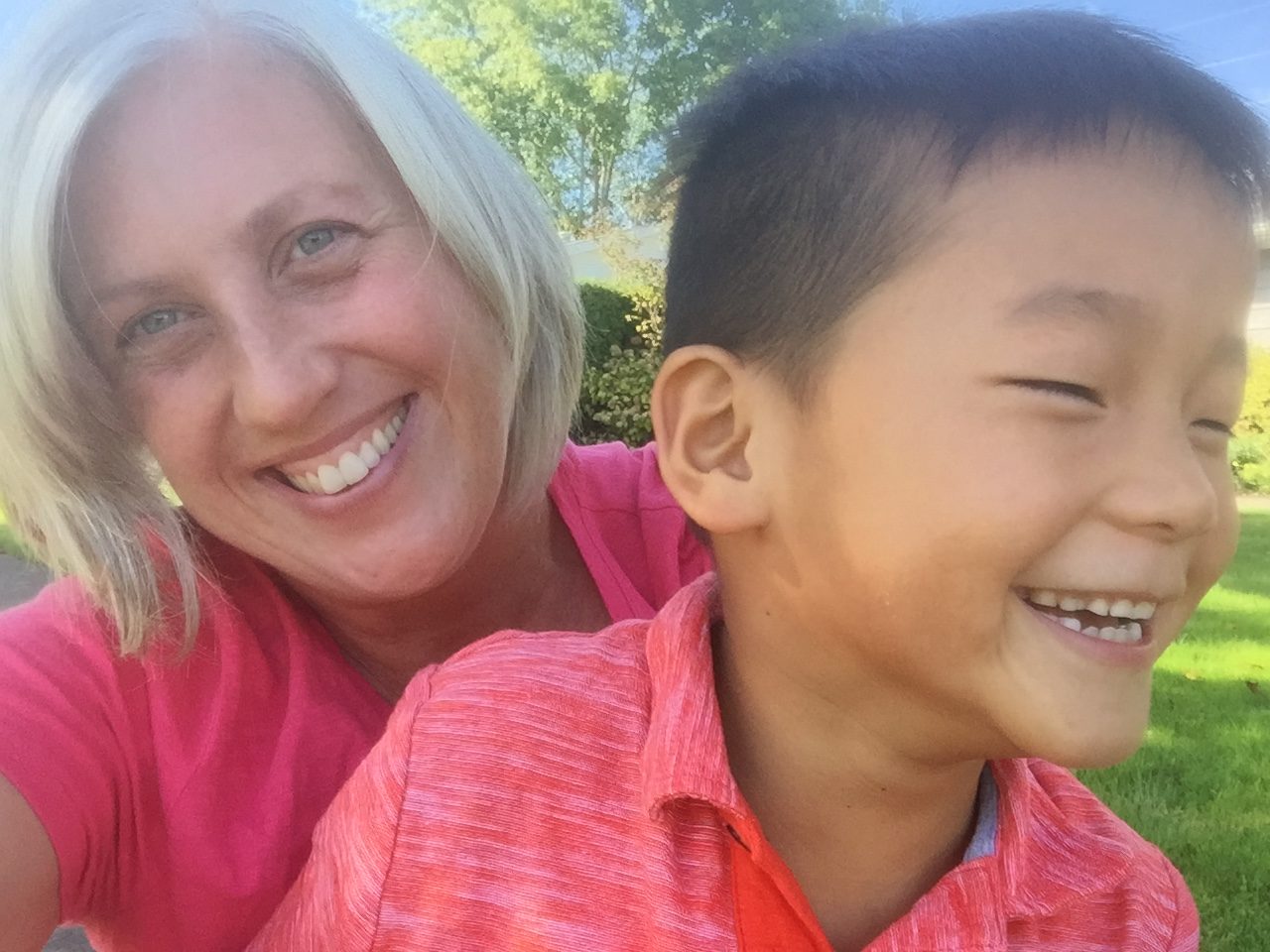
"As I experienced life with [my son] and got to know him, I realized on the inside he was the same as me. He was born with a heart to feel and a mind to think. He was born with challenges and strengths, just like me."
— Jen Skipper, whose son has developmental delays
Causes
Causes of GDD can include:
- Trauma
- Neglect
- Residing in institution-based care
- Genetic conditions
- Lack of attentive or engaged caregiving
- Environmental factors
- Issues during prenatal, perinatal and/or postnatal developmental periods of childhood
- Premature birth
- Prenatal drug exposure
- Lead exposure
- Poor nutrition
Signs & Symptoms
Many of the signs and symptoms of GDD are experienced in other neurological and developmental disorders or intellectual disabilities, making it sometimes difficult to diagnose. To assess whether your child has GDD, a pediatrician will analyze your child's growth chart, perform hearing and vision assessments, conduct genetic tests or blood tests and more.
The most common signs and symptoms of GDD are:
- Delays in rolling over, sitting up, crawling and walking
- Trouble with fine motor and gross motor skills
- Difficulties understanding what others say
- Challenges with problem-solving
- Delayed social skills
- Problems talking
- Delayed language skills
- Memory difficulties
- Difficulty connecting actions with consequences
- Feeding difficulties
Complications
Children with GDD may acquire skills at a slower pace than their peers and may therefore require specialized services and support both at home and at school.
Some complications of GDD can include:
- Malnutrition
- Poor growth
- Fatigue
- Speech and language delays, due to inadequate skill development during the key language-learning period of birth to 5
Care & Treatment
Early intervention can be crucial to the success and development of a child with GDD. Families have many opportunities to engage with their children to support their overall development, while working in tandem with specialists like speech therapists, occupational therapists, physical therapists and psychologists/certified behavior analysts.
For example, parents can engage in skill-development play activities with their children, read with children to support language skills, reduce screen time and create routines and schedules for the family. Social and verbal play activities can help develop communication, social and emotional skills. Positive relationships and attuned caregiving can have a beneficial impact on a child's development. As such, many children will see catch-up gains in their development post adoption.
Additional Resources
The following organizations can provide further information about developmental delays in children. If you'd like to speak with someone at Holt about adopting a child with special needs, please email one of our adoption specialists to learn more.
Growth Faltering
Growth faltering, formerly known as failure to thrive, refers to inadequate weight gain or growth in children, which indicates risk of malnutrition.
Failure to Thrive (FTT) is used to describe a child who is less than the 5th percentile for weight for their sex and age. This can also include a child who continues to grow more slowly than normal over time. Growth faltering is a complex condition that is a result of insufficient caloric intake, malabsorption, or increased metabolic demands. Infants and children with chronic health conditions and genetic conditions are at increased risk of growth faltering. Infants and children experiencing emotional, social, and environmental factors such as poor hygiene and sanitation, poverty, and high stress can be at risk for growth faltering.
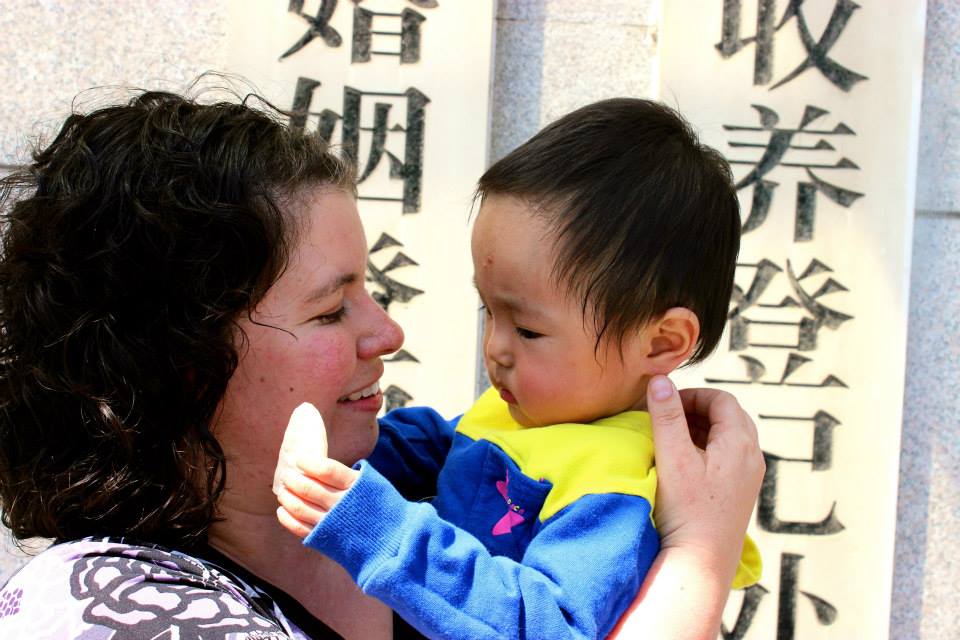
"This boy is perfectly healthy and typically developing and is testing at or above age level in almost every domain, including communication due to his rapidly expanding ASL vocabulary. His only special needs are profound hearing loss … and he is recovering from failure to thrive. He is, however, blowing each and every expectation out of the water!"
— Allison Shardell, whose son had growth faltering when he joined her family
Signs & Symptoms
- Poor weight or length gain
- Feeding difficulties
- Disinterest in mealtimes
- Fatigue during feeding
- Sleeping during meals
- Limited involvement/participation
- Irritability, unconsolable crying
- Lack of age-appropriate social responses, not interacting with people
- No vocal sounds
- Delayed motor milestones
- Learning or behavior problems in older children
Complications
- Loss of muscle mass
- Micronutrient deficiencies
- Immune dysfunction
- Long-term neurodevelopmental delays if untreated
- Stunted growth
Nutrition & Feeding Implications
Growth faltering in a child will require investigation of underlying health, development, social, or environmental issues or needs a child may have. Treating infections, ensuring good hygiene and sanitation, and addressing nutritional needs are of key importance to children with growth faltering. Ensuring your infant or child is receiving and able to utilize the nutrition they need to support proper weight gain and growth may require some investigation with your care team. Children with growth faltering commonly experience feeding difficulties related to intake, absorption, energy needs, or feeding skills. Growth faltering is usually related to a number of factors. Use a holistic approach to support feeding.
[Note: source text was corrupted at the transition into infant feeding guidance — please review.]
Feeding Approach: Infants
- Try to maintain a flexible feeding schedule for infant feeding. This should be based on the infant's signs of hunger, otherwise known as feeding cues. It is recommended to feed smaller volumes on a more frequent basis. For example, plan to feed the infant 2 ounces every 2 hours in a 24-hour period, instead of 4 to 6 ounces every 4 to 6 hours in a 24-hour period.
- Create predictable routines that support social and emotional connection. Example: Talking with the infant before attempting to change a diaper. Changing the diaper, then holding the infant for several minutes before attempting to present the bottle. During that time, provide gentle movements, speak or sing in a kind manner, encourage eye contact and social engagement before attempting to feed the infant.
- Never try to force a bottle nipple into the baby's closed mouth. Conversely, this also includes not placing the nipple in a highly distressed crying infant's mouth. Attempt to comfort and engage the infant before providing feeding is essential.
- Use sensory stimulation to engage in feeding:
- Supported sitting: Pick up the infant and place them on your lap. Holding the head and neck from the front and the back, gently lean them forward so their nose is over their toes. Hold 1 to 3 minutes. A positive result will include the infant opening eyes and the tongue coming forward in the mouth.
- Head-to-heel rocking: Pick up the infant facing you. Have the infant sit on one of your palms while your other hand supports the infant at the shoulder blades, shoulders, neck, and head. The infant will look like they are sitting in a reclined chair. Gently extend your arms to lift the infant up and forward, then bend your arms and bring the infant back and down. Gently repeat this pattern until the infant begins to transition to a quiet alert state with eyes open.
- Watch the infant as they feed and look for signs of distress or a mismatch between skill and task. This may look like the infant leaking when the nipple is in the mouth, infant breathing increases, noisy or wet-sounding breaths and swallows, the infant is unable to latch and seal around the nipple, or the infant refuses to take the bottle. These are all ways the infant is letting the feeder know that they need help. These are not symptoms that the baby needs to "work through"; these are actual symptoms of feeding dysfunction.
- Infants do not need to finish the bottle. Consult with a dietitian to find the correct volume this specific infant needs for weight gain and growth.
- Avoid force-feeding, as this can worsen the child's aversion. Sadly, force-feeding with a bottle is a common event. Please remember that an infant with a history of poor weight gain with low volume feedings may be using disengagement from the nipple to protect their airway, manage reflux, or other GI issues.
Feeding Approach: Toddlers and Young Children
- Create reliable and predictable mealtime routines. It is recommended to offer smaller, more frequent meals and snacks throughout the day. This is typically 3 small meals and 3 planned snacks in a day.
- Use beginning, middle, and end rituals for meals. This includes clear mealtime endings. A typical meal lasts about 20 minutes. Examples for mealtime beginnings can include washing hands and setting the table, the middle would include the meal, and ending can include clearing their plate or wiping the table.
- Use a visual schedule for daily routines and include mealtimes as part of the schedule.
- Each meal needs to have a predictable ending without punishment or reward for participation.
- Allow for voice and choice. This can include menu planning. Engage the child in creating the menu, shopping for the food, and even assisting in preparation of the meals.
- Reduce pressure to eat. It may be helpful to play games like Uno or I-Spy at the table to increase social engagement and reduce pressure for eating.
- Electronics and other screens are not recommended, but music without visuals can help create a calm and enjoyable experience.
- Allow the child to eat preferred foods. Do not offer preferred foods as a reward.
- Check the serving size. Typically, the serving size is smaller than imagined. Using measuring cups can help increase accuracy of serving sizes or counting out the actual number of pieces in a serving.
- Always eat with your child, preferably the same foods.
- Avoid shaming or blaming comments and assessments of a child's performance and engagement in feeding.
Calorie Support
- A dietitian may recommend supplemental beverages, or fortified liquids may be required. If this is recommended, it is helpful to serve them as if they were a meal. This means providing it at the table, with other foods, at mealtimes, while others eat.
- Enteral feeding (nasogastric (NG) or gastrostomy tubes (G-tube)) can be temporary or long-term. NG and G-tube feedings can work in conjunction with oral feedings. For example, allow the infant to eat what they are willing to actively consume, even if it is only a few minutes. Oral feedings need to be stopped when the infant is no longer interested in receiving the bottle nipple into their mouth. Then run the tube feeding for the remaining amount.
- Remember to stay engaged with the infant during the time the tube feeding is running.
Safety & Monitoring
- Gradually increasing calories, rather than rapid refeeding, often requires multidisciplinary monitoring of electrolytes.
- Closely monitor children's growth patterns and labs.
Family Support
- Education and reassurance of the family and/or caregivers is essential. A primary message to start as soon as possible is to have caregivers and family members eat meals and snacks with their children.
Care & Treatment
Finding out the underlying or root cause for this condition is paramount. Due to this multi-layered condition, treatment works best when a variety of health professionals are on a child's health care team. This team can include a pediatrician, nutritionist, occupational, physical, and speech therapist, and medical specialists such as gastroenterology and genetics.
It is also important to routinely measure and track growth, including weight and length/height measurements. Gradually add in food and fluids; some children may require close monitoring for electrolyte abnormalities. Testing typically includes blood, urine, stool tests, and other testing for more specific conditions that could lead to growth faltering. Treatment includes developing a meal and feeding plan with balanced nutrients, high-calorie meals/drinks, tube feeding or IV feeding, and strategies to support safe, enjoyable mealtimes.
Additional Resources
The following organizations and resources can provide further information. If you'd like to speak with someone at Holt about adopting a child with special needs, please email one of our adoption specialists to learn more.
Hearing Loss
Hearing loss is when a child's ears either do not detect sound or have a reduced ability to detect sounds.
There are two main types of hearing loss:
1. Conductive Hearing Loss: Occurs when sound is blocked from passing through the outer or middle ear. This may be due to something like an object in the canal, birth defects of the ear canal or fluid/swelling from an infection. Because the problem is before the inner ear, it is often treatable with medication, ear tubes or surgery to clear the blockage.
2. Sensorineural Hearing Loss: This type happens when the inner ear (or the nerve from the ear to the brain) is damaged. It is often progressive (worsens over time) and permanent, meaning it cannot usually be fixed by surgery or medicine. Instead, it is managed by hearing aids or cochlear implants.

"No one really notices that I have a disability unless I tell them. It’s never been something that’s held me back, and I’ve lived my life to prove people wrong about people with my disability — people with disabilities are so capable of so many amazing things!"
— Elita Damron, adult adoptee diagnosed with severe bilateral hearing loss at age 3
Signs & Symptoms
Signs of hearing loss in infants:
• Not startled by loud, sudden noises
• Doesn't recognize familiar voices, such as their parents', by 3 months of age
• Doesn't turn their head toward the direction of a sound by 6 months of age
• Does not imitate sounds or simple words by 12 months of age
Signs of hearing loss in toddlers and older children:
• Delays in language skills
• Unclear speech or speech abnormalities
• Increases the volume excessively when watching television or listening to music
• Difficulties learning
• Inattentive or uninterested in conversations
• Doesn't consistently respond to their name
• Difficulty hearing clearly when there is background noise
Complications
• Delayed development of speech, language and communication skills
• Struggles academically or experiences challenges in school
• General developmental delays
• Delayed or impaired social skills
Nutrition & Feeding
Nutrition Implications:
• Poor nutrition early in life can lead to hearing loss later in life.
• Feeding difficulties can result in inadequate nutrition, leading to insufficient weight gain and growth.
• Children might develop a reliance on nutrition supplements (such as Pediasure) for growth.
• Mealtime engagement, exploration of food and communication might be impacted.
Feeding Difficulties:
• Hearing loss in children may be associated with developmental delays and feeding difficulties such as gagging, spitting, choking, coughing while eating, refusing foods, struggling with food textures and taste.
• Children with hearing difficulties may be more likely to have swallowing difficulties potentially related to pain with swallowing due to fluid buildup in ears or taste dysfunction due to chronic inflammation of the ear.
• Enlarged tonsils and adenoids could make swallowing solid food more difficult.
Strategies:
• Use food photos or index cards with food pictures to support communication.
• Play and practice with different foods and different textures.
• Do activities that can help develop oral motor awareness to support feeding skills such as blowing bubbles or balloons, drinking through straws, making funny faces together and using sensory toys such as a vibrating toothbrush.
• Supporting sensory systems by offering a child the chance to explore a wide variety of foods, textures, tastes and smells to help reduce the possibility of food aversions.
Care & Treatment
• Screening and Early Intervention: It's important to detect hearing loss early to start interventions as soon as possible. Untreated hearing loss can worsen over time, and it is important for children to develop essential skills such as speaking and communicating.
• Medication: Recurrent ear infections can lead to hearing loss. Recurrent ear infections may be treated with antibiotics or antifungals.
• Surgery: Surgery can help correct hearing loss from a malformed ear canal, or hearing loss caused by head trauma.
• Ear tubes: Recurrent ear infections may lead to fluid accumulation in the middle ear. The placement of ear tubes can help with drainage of fluid.
• Hearing aids: Hearing aids are battery-powered devices that can amplify existing hearing. Children with significant hearing loss may require additional communication tools such as sign language or lip reading in conjunction with hearing aids.
• Cochlear Implants: Cochlear implants are only for individuals with significant hearing loss, as they do not amplify sound; instead, they replicate it.
• Speech therapy: Speech language pathologists (SLPs) specializing in children are professionals who are trained to improve speech, communication and feeding skills throughout childhood.
• American Sign Language (ASL): Sign language can support children and family's communication when the child is hard of hearing.
Resources
• American Society for Deaf Children Resources for learning American Sign Language
• Early Intervention Resources for Language Difficulties for Children under 3 years old, American Speech Language Hearing Association
• Resource List for Parents of Children with Hearing Loss, Centers for Disease Control
Human Immunodeficiency Virus
Human immunodeficiency virus (HIV) is the virus that causes AIDS. When a person becomes infected with HIV, the virus attacks and weakens the immune system. As the immune system weakens, the person is at risk of getting life-threatening infections. When that happens, the illness is called AIDS.
HIV can be transmitted to a fetus or newborn during pregnancy, labor, delivery or breastfeeding. However, children born to HIV-positive mothers may not always become infected themselves.
In the U.S., babies born to HIV-positive mothers can receive a test for HIV antibodies at 18 months of age because they still might have maternal HIV antibodies in their system. Alternatively, they can receive two HIV PCR tests, beginning 28 days after birth. One of these tests should be completed after an infant is at least 4 months old to confirm their HIV status.
Children who are HIV positive ideally begin antiretroviral therapy (ART) within the first months of life. These medicines stop the virus from multiplying. Some children diagnosed with HIV later in childhood or who have not received treatment until later in life may experience complications related to their HIV infection. Without treatment, a child's immune system weakens over time, and infections that are uncommon in healthy children may develop.
However, the prognosis for children with access to specialized HIV treatment is good. These children may lead a normal life when taking ART medications daily, as prescribed, similar to others with chronic illnesses. Currently, there is no cure for HIV, although some progress is being made.

"For now, HIV is little more than a byline in our busy, fun-filled, joyous, crazy lives. And, with the help of daily medications and great communication, we plan to keep it that way."
— Anne M. Silas (a pseudonym), mother of two children with HIV
Causes
HIV is caused by the human immunodeficiency virus which attacks the body’s immune system. If left untreated, HIV can lead to acquired immunodeficiency syndrome (AIDS). Mother–to-child transmission of HIV is the most common cause of HIV infection among children. Mother-to-child transmission can occur during pregnancy, labor, delivery or breastfeeding.
Signs & Symptoms
Children with HIV can experience a wide range of symptoms related to the virus or to their antiretroviral therapy (ART) medications. With treatment, however, symptoms can be managed. Most children adhering to treatment will not have any HIV-related symptoms.
However, children with undiagnosed HIV, or with advanced stages of HIV infection, may experience the following:
- Malnutrition, which can result in stunting, wasting/underweight and micronutrient deficiencies
- Acute or persistent diarrhea
- Chronic intestinal inflammation
- Anemia
- Swollen lymph and salivary glands
- Enlarged spleen or liver
- Frequent infections
- Nausea or vomiting
Complications
There are many complications related to untreated HIV, but for children on ART, many of the following complications are avoidable and treatable:
- Malnutrition, including anemia
- Learning and developmental challenges, which often improve or resolve for children after starting therapies
- Infections
- Asthma-like conditions
- Weight gain
- Increased risk of chronic kidney disease
- Depression
- Insomnia
It's important to note that ART medications can have some side effects in children, including nausea, fatigue or difficulty sleeping. Some medications can also put children at risk for high cholesterol in adulthood. But in recent years, improvements in medications have reduced these side effects, and some symptoms can resolve over time. What's more, the benefits of ART medications still far outweigh the side effects in children with HIV.
On another note, stigma can still be quite an issue for children with HIV. A child's HIV status does not need to be disclosed to day care providers, schools or sports teams, so it is up to the child and their family as to whether or not they want to share this information. Parents should also provide children with emotional and mental health support as they deal with their diagnosis and related social stigmas.
Care & Treatment
Children should ideally begin taking ART medications in the first few months of life and maintain this treatment throughout their lives. Discuss with your doctor any possible interactions between ART medicines and others your child may be taking.
Additional Resources
The following organizations can provide further information about HIV. You can also read more below from one family who adopted a child with HIV. If you'd like to speak with someone at Holt about adopting a child with special needs, please email one of our adoption specialists to learn more.
Hydrocephalus
Hydrocephalus is the buildup of cerebrospinal fluid around the brain. This accumulation of fluid can result in increased pressure on the brain if it is not properly drained or cleared.
Most children with hydrocephalus will need a shunt, a small plastic tube that is surgically placed in the brain. A shunt helps drain cerebrospinal fluid and redirect it to another location in the body where it can be reabsorbed. This process reduces pressure on the brain.
Many adopted children may not have received a shunt as early as they should have, as this procedure is not always available in all countries. These children often have some damage from pressure on the brain, although they can experience some recovery with treatment. Early intervention will result in better outcomes for children.
Causes
Some causes of hydrocephalus are unknown. But others, of a genetic or environmental nature, may include:
- Meningitis
- Head injuries
- Brain malformations
- Spina bifida
- Brain bleeding
- Issues during fetal development
- Infections
- Tumors
Signs & Symptoms
A child’s head is enlarged as a result of excess cerebrospinal fluid buildup in the brain due to either overproduction, decreased absorption or obstructed flow through the ventricular system. A child may exhibit a thin, glistening scalp or visually prominent veins in the scalp as well.
Infants with hydrocephalus may have the following symptoms:
- Vomiting
- Sleepiness
- Irritability
- Seizures/epilepsy
- Downward gaze or the baby's eyes appear to be "stuck" looking down
Children and adolescents may show these symptoms:
- Nausea and vomiting
- Swelling of the optic disc or papilledema
- Blurred or double vision
- Balance and gait abnormalities
- Slowing or loss of developmental progress
- Changes in personality
- Inability to concentrate
- Seizures
- Poor appetite
- Urinary incontinence
Complications
Children with hydrocephalus may experience a variety of complications and delays. Their prognosis — and range of difficulties — will depend on the age of the child and severity of the illness at the time they were diagnosed.
Some complications may include:
- Neurological and cognitive delays, including learning difficulties at school
- Developmental delays, including delays in speech/language and fine and gross motor skills, particularly in young children
- Feeding difficulties
- Increased risk of infection due to surgery and shunt placement
- Potential failure of the shunt. Most shunts will have some failures as a child grows up for a number of reasons. Extra attention to how a shunt functions should be tracked in the first year of placement. Shunt malfunction or failure can result in symptoms such as vomiting, irritability and fatigue.
Care & Treatment
Children with hydrocephalus will need ongoing care. If they have not already had a shunt placed in their brain, they may need one to relieve pressure. The longer the pressure remains, the more serious the damage to the brain. In addition, a physical therapist, speech-language pathologist and occupational therapist can help a child reach their developmental milestones as they grow.
Additional Resources
The following resources can provide further information about hydrocephalus. If you'd like to speak with someone at Holt about adopting a child with special needs, please email one of our adoption specialists to learn more.
Intellectual Disability
Intellectual disability is a term used when there are limits to a person’s ability to learn at an expected level and function in daily life.
Children with intellectual disability might have a hard time letting others know their wants and needs and taking care of themselves.
Intellectual disability could cause a child to learn and develop more slowly than other children of the same age. It could take longer for a child with intellectual disability to learn to speak, walk, dress or eat without help, and they could have trouble learning in school.
Intellectual disability can be caused by a problem that starts any time before a child turns 18 — or even before birth. It can be caused by injury, disease or a problem in the brain.
For many children, the cause of their intellectual disability is not known. However, some of the most common known causes — like Down syndrome, fetal alcohol syndrome, genetic conditions, birth defects and infections — happen before birth. Others happen while a baby is being born or soon after birth. Still other causes of intellectual disability, including serious head injury, stroke or certain infections, occur when a child is older.
There’s no way to cure or treat intellectual disability directly. But with good treatment, children with intellectual disability can have a good quality of life. Treatments focus on helping with adaptive (or learned) behaviors and life skills.
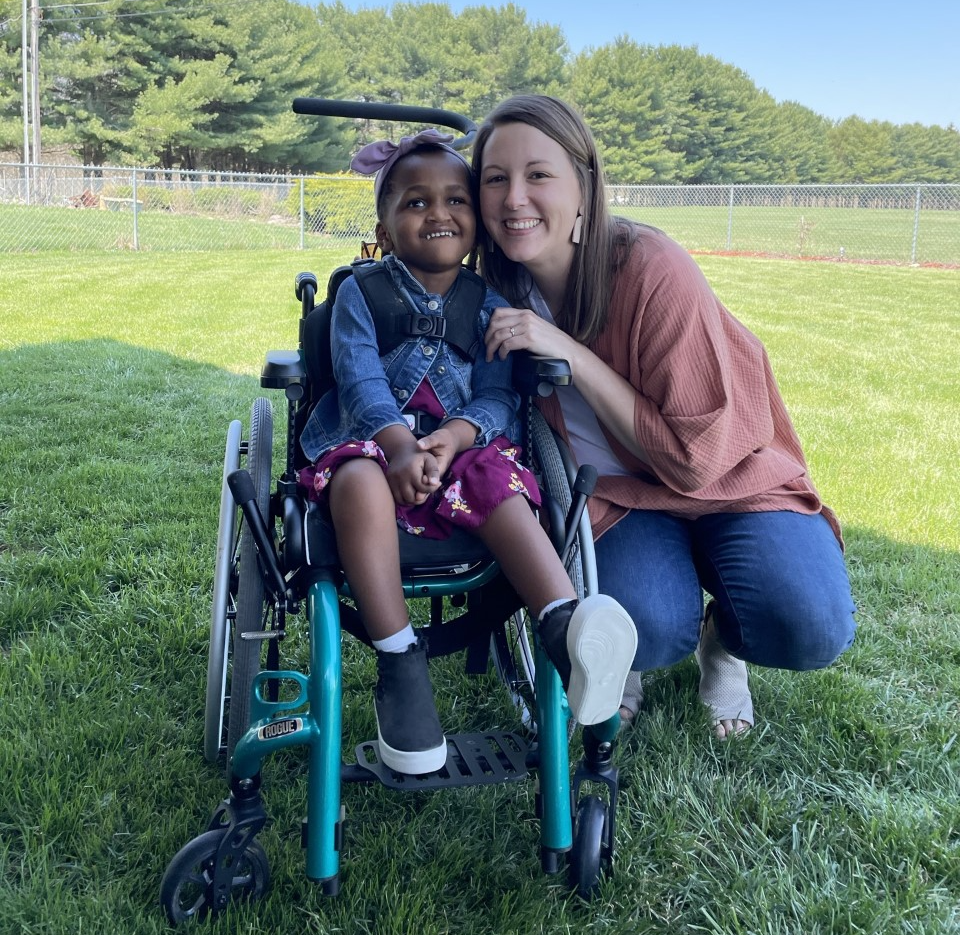
"You can do hard things for the people you love. You can modify your home, your schedule, your wallet, your priorities and your plans. Life is much richer when you aren't at the center!"
— Amanda Kick, parent of Haddie, who was born with no cerebellum in her brain
Causes
The causes of intellectual disability are often unknown, but some may include:
- Injury
- Diseases
- Problems in the brain
- Genetic conditions
- Birth defects or injury during birth
- Premature birth
- Stroke
Signs & Symptoms
There are many signs that indicate that a child has intellectual disability. For example, they may:
- Sit up, crawl or walk later than other children
- Learn to talk later or have difficulty speaking
- Find it hard to remember things
- Have trouble understanding social rules
- Have trouble seeing the results of their actions
- Have difficulty solving problems
The more severe the intellectual disability, the earlier the signs can be noticed. However, it still might be hard to tell how young children will be affected later in life.
Complications
Some children with intellectual disability have an increased risk of other medical problems, including seizure disorders, sensory impairments (particularly visual deficits), cerebral palsy, feeding problems and failure to thrive.
Nutrition & Feeding Implications
Feeding a child with an intellectual disability such as cerebral palsy can come with added mealtime challenges. More than 80%-90% of children with developmental disabilities may have feeding disorders. The more severe the intellectual disability, the greater the feeding challenges.
Some challenges can include:
- Problems with chewing and swallowing. Many children with intellectual disability struggle with effective chewing and swallowing, leading to a risk of choking. Food may need to be cut into small pieces or pureed for safer consumption. Parents or caregivers may need to make other modifications in terms of food, liquid, utensils, positioning or the pace of eating as well. Consult with a feeding specialist, such as a speech-language pathologist or occupational therapist, for additional support if a child is experiencing any difficulties that may affect their mealtimes and/or growth and development.
- Obesity. Children with learning or intellectual disabilities are at high risk for becoming overweight or obese due to a mix of environmental, behavioral and biological factors. Regular exercise and exposure to nutritious foods, especially fruits, vegetables and legumes, can help children maintain a healthy weight.
- Being underweight. Some children with intellectual disability may also have conditions that result in higher calorie needs or impaired nutrient absorption. A dietitian or doctor may recommend supplements for your child if necessary.
- Acid reflux. Children with intellectual disability may experience acid reflux during feeding, leading to heartburn, vomiting and poor weight gain. Proper positioning during feeding and medication times may help alleviate symptoms. Foods like citrus fruits, fatty and fried foods, tomato sauce and carbonated drinks can exacerbate acid reflux, so consider limiting these foods if your child is experiencing symptoms.
- Constipation. Children with intellectual disability are at greater risk of constipation if they are dehydrated, do not get enough fiber in their diet or have mobility challenges. Children don’t always recognize if they are thirsty or constipated, so you can use a calendar to track your child’s bowel movements if you have any concerns. To prevent dehydration, regularly offer your child fluids, especially during warm weather, and limit sweetened beverages.
- Poor appetite. Children with intellectual disability may lack interest in food for various reasons. Offering children a variety of foods in different flavors and textures can help stimulate their appetite.
- It's also important to establish routines and provide a balanced diet with a focus on fresh fruits, vegetables and whole grains to help address feeding challenges and support a child's health and nutritional needs. Lead by example, by consuming nutritious foods and beverages as a family. If a child is selective in their eating, try offering new foods alongside foods they are comfortable with.
- Also offer plenty of calcium-rich foods and beverages such as tofu, yogurt, cheese, soy milk and cow’s milk. Other sources of calcium include leafy green vegetables and calcium-fortified products, such as some types of breakfast cereals and 100% fruit juice.
- Because children with intellectual disability often have multiple needs, it's important to ensure every member of their care team is connected. Eating and drinking is a complex process and often requires an integrated approach of support by a feeding team that might include a pediatrician, feeding specialist, dietitian and other medical specialist or therapist, such as a speech-language pathologist, occupational therapist or physical therapist.
- Parents and caregivers can often feel distress, frustration or worry while supporting an infant or child with intellectual disability, and particularly when there are difficulties surrounding feeding and nutrition. Feeding is inherently relational, and when it is challenging, it can challenge important relationships. Finding support from a licensed mental health provider can be one of the best ways a parent or caregiver can support themselves so that they can best support their child.
Care & Treatment
Early intervention and consistent support can help your child thrive. There are many programs and services in your community and at your child’s school that can help your child learn at their own speed and gain the skills they need to lead a full life.
Additional Resources
The following organizations can provide further information about intellectual disability. If you'd like to speak with someone at Holt about adopting a child with special needs, please email one of our adoption specialists to learn more.
Jaundice
Jaundice is a yellowing of the skin caused by a buildup of too much bilirubin. Children who are healthy can develop jaundice and severe jaundice can lead to kernicterus, which is not reversible.
Bilirubin is a substance that is made by the liver, spleen and bones after breaking down red blood cells. There are two main types of jaundice in children:
1. Physiologic Jaundice: Due to a slowing of the movement of bilirubin out of the body. It is the most common, and it usually resolves around two weeks after birth.
2. Pathologic Jaundice: When there is an issue with liver either hormonal or inherited that keeps it from properly processing bilirubin.
Signs & Symptoms
• Yellowing of the skin and eyes (jaundice)
• Dark-colored urine
• Pale or clay-colored stools
Signs of worsening jaundice:
• Poor feeding, lethargy or general unwellness
• Signs of dehydration
• Weakness or reduced activity levels
• Excessive fussiness or irritability
• Weight loss
Emergency warning signs:
• Arching the back in an unusual way
• Difficulty waking or staying awake
• High-pitched or abnormal crying
• Unusual or jerky eye movements
Complications
Possible complications of prolonged jaundice:
• Permanent brain damage (kernicterus)
• Cerebral palsy
• Hearing loss or deafness
If jaundice was untreated, children may develop kernicterus which could result in hearing loss, speech or vision issues, learning difficulties or cerebral palsy.
Nutrition & Feeding
Babies with jaundice should be treated as soon as possible. Children with hearing, speech or vision loss or cerebral palsy may have difficulties feeding and may need additional support to safely feed.
Strategies:
• Create pictures or food cards to help children select foods.
• Adaptive equipment to support children to safely self-feed, such as spoons with grip-free handles or plastic suction bowls and plates with lips.
• Do not force feed an infant or child. Instead, offer them lots of opportunities to become more comfortable around different foods and mealtime experiences in a pressure-free way.
• Offer liquids and solids at a pace that fits their skill and comfort. Pacing helps babies and children learn how to safely eat and drink, reduce their risk of choking and enjoy mealtimes.
Premature babies (born earlier than 37 weeks) and breastfed/bottle-fed babies who are experiencing nursing challenges are at higher risk for jaundice. They often require unique feeding strategies such as increasing feedings, improving latch and/or suck, preventing dehydration and improving overall feeding efficiency.
Care & Treatment
• The main treatment for physiologic jaundice in infants is phototherapy. In order to break up the bilirubin in the skin, a baby may be placed under lights for a few hours per day.
• If the jaundice is pathologic, the treatments may vary, and a qualified health professional will need to tailor the treatment depending on the cause.
• If children have kernicterus, they may need additional support around their specific difficulties. Speech language pathologists, occupational therapists and dietitians can help support your child with the skills and resources they need to support independence.
• Consider feeding and/or lactation support from qualified professionals. They can offer tailored strategies to improve early breast and bottle feedings.
Resources
Kidney Impairment
Kidneys are important organs in the body that help to process and remove waste and water from the blood, produce urine and regulate electrolytes. Some children can have kidney malformations or impairments or a diagnosed kidney disease.
They may have a kidney that is not working properly, a kidney that has an abnormal anatomy or fluid buildup in the kidney.
Health care professionals may use a urine test, blood test, imaging test, kidney biopsy and/or genetic test to diagnose kidney impairment or disease.
Pediatric nephrologists or pediatric urologists will treat kidney problems in children by first treating or controlling any underlying conditions that may be causing the kidney damage. They may perform surgery to correct a blockage in the urinary tract or prescribe antibiotics to treat an infection.
Some children with acute kidney injury may need dialysis — treatment to filter wastes and extra fluids from the blood — for a short time while their kidneys recover.
When a child’s kidney disease is chronic, or long-lasting, treatment may slow the progression of the disease, ease symptoms and manage complications. Children with severe kidney failure may require a kidney transplant.

"Oftentimes, the label 'special needs' means a child needs medical attention that they can't or won't receive growing up in an orphanage overseas. It does not always mean an overwhelming, life-consuming issue."
— Koni Maat, mother of Jing, who was born with kidney impairment
Causes
Kidney disease or impairment may be caused by:
- Genetics
- Birth defects
- Systemic diseases, such as systemic lupus or systemic sclerosis
- Nephrotic syndrome, a kidney disorder that causes the body to excrete too much protein in the urine
- Surgery
- Injuries
- Dehydration
- Issues with the urethra or bladder
- Infections
Signs & Symptoms
Children with kidney impairment may have these symptoms:
- Increased or decreased urination and urinary incontinence
- Difficulty concentrating and learning
- Delayed motor and language skills
- Edema, or swelling caused by too much fluid trapped in the body's tissues
- Proteinuria, or elevated protein in the urine
- Fatigue
- High blood pressure
- Nausea and vomiting
- Infections, including urinary tract infections
- Diarrhea
Complications
Kidney impairment may lead to these complications:
- Heart disease or cardiovascular disease
- Cognitive difficulties
- Urinary incontinence
- High blood pressure and hypertension
- Increased risk of infection
- Impaired growth
- Mental health issues, such as depression and anxiety
- Anemia
Care & Treatment
Early intervention and treatment of kidney issues can help children live full lives. Many of the complications with the kidneys can be managed with medical treatment and nutrition therapy.
Additional Resources
The following organizations can provide further information about kidney impairment. If you'd like to speak with someone at Holt about adopting a child with special needs, please email one of our adoption specialists to learn more.
- Health Topics for Preadoptive Parents
- National Institute of Diabetes and Digestive and Kidney Diseases: Kidney Disease in Children
- National Institute of Diabetes and Digestive and Kidney Diseases: Helping Your Child Adapt to Life With Chronic Kidney Disease
- National Institute of Diabetes and Digestive and Kidney Diseases: Nutrition for Children With Chronic Kidney Disease
Low Birth Weight
Low birth weight is defined as a birth weight of less than 5 pounds, 8 ounces. Some babies with low birth weight are healthy, even though they're small. But having a low weight at birth can cause serious health problems for some children.
A baby who is very small at birth may have trouble eating, gaining weight and fighting off infections. Some may have long-term health problems as well.
One of the main causes of low birth weight is preterm birth, meaning the baby is born before 37 weeks of gestation, or pregnancy. Another cause is fetal growth restriction. This occurs when a baby doesn't gain the weight they should before they are born.
Fetal growth restriction can be caused by many factors. For example, a mother may have an infection or chronic health condition, such as diabetes or a heart, lung or kidney problem. She may lack good nutrition and not gain enough weight during pregnancy. Or the mother may smoke, drink or use drugs while pregnant.
Children who are born at low birth weight should have regular checkups with their pediatrician. These medical visits can help your child's doctor spot — and address — health conditions and developmental issues that may cause problems as your child gets older.

"[Desmond was] born prematurely at only two pounds and had already faced myriad health issues... [But] the wonderful thing about God's destiny is that when we walk in His perfect plan for us, we are not limited by our feeble, human abilities. In our weakness, He is strong."
— Mandie Hickenbottom-Conner, mother to Desmond, born with low birth weight
Causes
Causes of low birth weight may include:
- Congenital abnormalities
- Premature birth (birth at less than 37 weeks of gestation)
Complications
If you are caring for a low birth weight child, watch for the following possible problems:
- Slow weight gain and growth during infancy
- Subtle and delayed hunger cues that are difficult to recognize
- Nutrient deficiencies (i.e., iron deficiency anemia)
- Poor cognitive development
Additional Resources
The following resources can provide more information about low birth weight babies. If you'd like to talk to someone at Holt about adopting a child with special needs, please email one of our adoption specialists to learn more.
Microcephaly
Microcephaly is a condition where a baby’s head is much smaller in size compared to other babies of the same age and sex. Head size is an important measurement in monitoring a child’s brain growth.
During pregnancy, a baby’s head grows because the baby’s brain grows. Microcephaly can occur because a baby’s brain has not developed properly during pregnancy or has stopped growing after birth, which results in a smaller head size. Microcephaly can be an isolated condition, meaning that it can occur with no other major birth defects, or it can occur in combination with other major birth defects.
It is a rare condition that can be a symptom of several disorders, including Down syndrome, Rett syndrome and trisomy 18.
Children with microcephaly generally have varying degrees of intellectual disability, though a small percentage will not experience any developmental delays. Children with this condition may also have delayed speech and motor functions, dwarfism or short stature, vision and hearing deficiencies and/or other problems associated with neurological abnormalities.
Developmental services early in life will often help children with microcephaly to improve and maximize their physical and intellectual abilities. These services known as early intervention can include speech, occupational and physical therapies.
Causes
Common causes of microcephaly include:
- Genetic factors
- Exposure to external or environmental factors during pregnancy that affect the development and integrity of the fetal brain, including:
- Prenatal and postnatal infections of the central nervous system
- Prenatal exposure to drugs or toxic substances
- Maternal diseases and perinatal factors
Signs & Symptoms
Children with microcephaly typically have:
- A small head
- A small brain
Complications
Complications associated with microcephaly can vary widely from one child to another. Early diagnosis, intervention and appropriate medical and therapeutic support are essential for addressing these challenges and improving a child's quality of life.
Health complications may include:
- Brain disorders. Microcephaly can result in brain development abnormalities, which may be caused by factors like chromosomal abnormalities or gene mutations. This can lead to intellectual disabilities or learning difficulties.
- Intellectual disabilities. Children with microcephaly often face intellectual disabilities, with IQ levels below 70. This can manifest in different ways, including speech delays, social difficulties, memory problems, limited problem-solving skills and a need for increased assistance with self-care tasks.
- Physical development. Some children with microcephaly may have difficulty with coordination, moving or balance. These difficulties have an impact on a child's daily activities such as holding their head upright, sitting on their own, crawling, standing and walking independently.
- Dwarfism. Microcephaly can lead to short stature or dwarfism in some children, often due to genetic factors.
- Hearing and vision problems. Underdeveloped brain structures can affect the development of hearing and vision, leading to sensory impairments.
- Facial distortions or malformations. Microcephaly may cause distortions in facial features or joint and facial malformations.
- Seizures. Incomplete brain development can increase the risk of seizures.
Nutrition & Feeding Implications
Children with microcephaly will require special attention to nutrition and feeding.
- Babies with microcephaly may struggle with proper feeding, causing them to make high-pitched crying sounds. Some may experience swallowing problems.
- Children with microcephaly may have problems eating, drinking and swallowing. In addition, they may have increased challenges at mealtimes that require individualized adaptations to foods, liquids, utensils, positioning, pacing of meals and more. In such cases, parents can work with a feeding specialist, such as a speech-language pathologist or occupational therapist, to manage feeding difficulties and identify techniques to support oral motor skills, swallowing function and feeding skill development.
- Difficulty with feeding can affect a child's caloric intake. To ensure that your child receives sufficient calories for growth and development, provide a variety of fruits and vegetables, and pair them with whole grains and foods high in protein, such as eggs, fish, chicken, meats, beans, tofu, nuts and seeds.
- In some cases, children with microcephaly may require specialized diets tailored to their specific needs. This could involve modifications to texture and consistency to accommodate swallowing difficulties or sensory needs related to food. Children may also require alternative forms of nutrition, such as a feeding tube, to support their nutritional growth.
- Parents and caregivers can often feel distress, frustration or worry while supporting an infant or child with microcephaly, and particularly when there are difficulties surrounding feeding and nutrition. Feeding is inherently relational, and when it is challenging, it can challenge important relationships. Finding support from a licensed mental health provider can be one of the best ways a parent or caregiver can support themselves so that they can best support their child.
Care & Treatment
Microcephaly is a lifelong condition, with no known cure or standard treatment. Because symptoms range from mild to severe, treatment options vary as well. Babies with mild microcephaly often experience no other problems other than small head size. These babies will need routine checkups to monitor their growth and development.
For more severe microcephaly, babies will need care and treatment focused on managing other health complications. Developmental services early in life will often help babies with microcephaly to improve and maximize their physical and intellectual abilities. These services known as early intervention can include speech, occupational and physical therapies. Sometimes medications are also needed to treat seizures or other symptoms. Older children can receive support from a team of healthcare professionals, including a pediatrician, neurologist and therapists.
Additional Resources
The following organizations can provide further information about microcephaly. If you'd like to speak with someone at Holt about adopting a child with special needs, please email one of our adoption specialists to learn more.
Phenylketonuria (PKU)
Phenylketonuria (PKU) is a genetic condition in which the body cannot break down the amino acid phenylalanine. High amounts of phenylalanine in the blood can cause harm to the brain if left untreated.
Routine newborn screening tests in the United States screen for PKU, but it may not be common in other countries. Children with PKU must eat very small amounts of the amino acid phenylalanine, because they cannot process it properly. Since phenylalanine is one of the building blocks of protein, children still need enough protein without phenylalanine so that their bodies can grow and stay healthy.
Signs & Symptoms
• A distinct musty smell in the breath, skin or urine due to excess phenylalanine in the body
• Neurological issues
• Abnormally small head size (microcephaly)
• Seizures
• Skin conditions such as eczema
• Lighter hair, skin and eye color compared to family members, resulting from the body's inability to convert phenylalanine into melanin
Complications
• Hyperactivity or restlessness
• Intellectual impairments or learning difficulties
• Slowed or delayed developmental progress
• Challenges with behavior, emotions and social interactions
• Increased risk of mental health conditions
Nutrition & Feeding
Your child may need to consume a low-protein diet and take a phenylalanine-free protein supplement. Children will need to follow the diet for life to ensure they limit phenylalanine and get enough safe protein.
Low-protein diet considerations:
• Low-protein diets are often high in fruits, vegetables, low-protein starches and fats such as avocado oil or olive oil.
• Low-protein diets often limit legumes, meats, eggs, nuts, dairy products, regular breads/pasta or cereal, soy and seafood.
• Some foods contain small amounts of protein and will need to be limited, such as mashed potatoes, peas, corn, rice, sweet potatoes, broccoli and bananas.
• Commercial low-protein breads/pastas, pizza dough and cereals may be available.
• Avoid or limit gelatin and plant algae.
• Children with PKU will need to avoid foods containing aspartame (sweetener) which has phenylalanine.
Feeding Strategies:
• With very restrictive diets, it is important to continue to encourage fun and joy at mealtimes. Find ways to make mealtimes special with your child such as cooking together.
• Choose your own topping stations or create themed dinner nights like "Taco Tuesdays" or "Build a Bowl" or "Pizza Parties" (with low protein crust).
• Food aversions can be common for children with restrictive diets. Take small steps to help your child try new foods.
• Children with PKU are often breastfed less, bottle fed for longer and provided fewer opportunities to learn to feed themselves. Encourage children to take a more active role in feeding and mealtime experiences.
Care & Treatment
• It is important to work with a qualified health professional to establish safe amounts of phenylalanine in the diet. Monitoring can look like doing frequent blood tests to monitor the amount of phenylalanine in the blood.
• Avoid aspartame.
• Consider a referral for developmental evaluation and therapy, should an infant or child show delays in their early development.
• Consider a referral for feeding therapy (speech-language pathologist, occupational therapist), should an infant or child show ongoing challenges with feeding, eating and drinking.
Resources
Prader-Willi Syndrome
Prader-Willi syndrome is an inherited genetic disorder due to a deletion or inappropriate copying of genes that has a wide range of symptoms including developmental disabilities, low muscle tone and excessive hunger leading to weight gain.
The main symptoms of Prader-Willi syndrome are developmental disabilities, low muscle tone (hypotonia), and excessive hunger (hyperphagia) leading to weight gain. Individuals with Prader-Willi syndrome need fewer calories than people without the syndrome. As they get older, they are more likely to want to eat more and gain weight.
Signs & Symptoms
• Constant hunger and excessive eating, often leading to unhealthy weight gain
• Short stature due to restricted growth
• Low muscle tone (hypotonia), resulting in overall floppiness
• Learning and cognitive difficulties
• Delayed or absent sexual development
• Behavioral challenges, including emotional outbursts and episodes of physical aggression
Complications
One of the main complications with Prader-Willi syndrome is obesity and developing related non-communicable diseases such as:
• Cardiovascular issues
• Diabetes
• Extreme obesity
• Respiratory failure later in life
• Children are at increased risk for diabetes - consider limiting simple sugar from their diets.
Nutrition & Feeding
Nutrition Strategies:
• Emphasize a balanced diet with whole grains, lean proteins, fruits, and vegetables.
• Pick fruits and vegetables with volume that can help your child feel full and have the important vitamins and minerals needed for growth.
• Avoid extremely restrictive diets and focus on quality, portions, balance, and variety.
• Limit highly processed foods or calorie dense, low nutritional value foods.
• Work with your dietitian to build a meal plan with appropriate intake goals.
• Lead by example as a family by selecting healthy foods at mealtimes. Avoid making food a reward or punishment.
• Engage your child in mealtime prep, cooking and shopping. Allow them to make selections.
• Ensure physical activity is a part of your child's daily routine. Generally, children with Prader-Willi Syndrome's caloric needs are just a little more than half of what a child without this syndrome needs.
Feeding Considerations:
• Infants and young children may have low muscle tone and motor planning challenges that lead to inefficient feedings and increase their potential risk for aspiration. Most children will grow out of feeding difficulties as they age.
• Children may develop hyperphagia, or an abnormally strong desire to eat that does not subside after consuming food.
• Use consistent and healthy mealtime routines to support appropriate intake: stick to a set mealtime schedule, eat at a table, limit screentime and mealtime distractions.
• Reduce high-calorie low-nutrient foods from the household environment and replace with low-calorie volume foods (i.e., broccoli, melon, air popped popcorn).
• If an infant or child shows feeding difficulties, try activities that encourage development of feeding skills such as mouthing and sucking on non-food items, exploring foods with hands before tasting.
Care & Treatment
• Hormone treatment and treatment of sleep disturbances
• Therapies such as physical therapy, speech-language therapy, occupational therapy, and mental healthcare can help support all of an infant and child's developmental needs.
• Consider working with a feeding specialist (speech-language therapist or occupational therapist) if your child demonstrates feeding difficulties.
Resources
Prematurity
A baby born before 37 weeks gestation is considered premature. Slightly less than 12% of all babies are born prematurely.
However, the rate of premature births is rising, mainly due to the large number of multiple births in recent years. Twins and other multiples are about six times more likely than single-birth babies to be born prematurely, although the rate of premature single births is also slightly increasing each year.
A typical pregnancy lasts about 40 weeks, and a developing baby goes through important growth throughout pregnancy, including in the final months and weeks. For example, the brain, lungs and liver need the final weeks of pregnancy to fully develop.
Not all premature babies have health complications. But being born too early can cause short-term and long-term medical problems. Some problems may be clear at birth, while others may not show up until later in life.
In general, the earlier a baby is born, the higher the risk of complications. Birth weight plays a key role too. Many premature babies weigh less than 5 pounds, 8 ounces and may be referred to as low birth weight. Other terms often used for prematurity are preterm or "preemie."
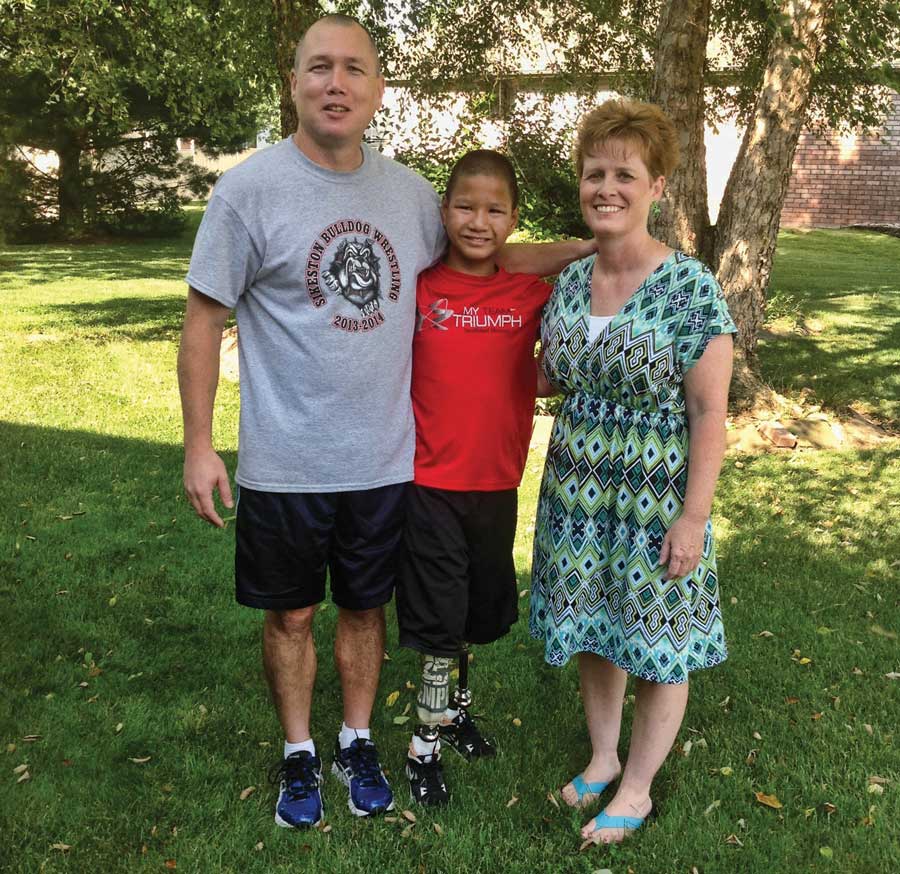
"As for being totally dependent on us, let's just say 'NOT!' Samuel was a spitfire from day one! 'I can do it!' has always been his attitude."
— Rebecca Tyler, mother of Samuel, who was born prematurely without hands or feet
Causes
There are a number of factors that cause babies to be born early. They include:
- Multiple births
- Infections
- Maternal stress
- Other maternal risk factors, including age, substance abuse, malnutrition, poor care during pregnancy, etc.
- Preterm labor caused by conditions such as inflammation, hemorrhage and uterine overdistension
Signs & Symptoms
Premature babies may exhibit the following signs and symptoms:
- Small size, often weighing less than 5 pounds, 8 ounces
- Thin, shiny, pink or red skin, with veins sometimes visible through the skin
- Little body fat
- Little scalp hair, although the baby may have lots of soft body hair, known as lanugo
- Weak cry
- Low muscle tone
- Genitals that are small and not yet fully developed
- Sleep challenges
- Delays in all areas of development due to being born early
- Behavior challenges or learning difficulties
- Other health issues, including hearing and vision problems, asthma or breathing difficulties, reflux, etc.
- Sensitive sensory systems
- Increased fussiness and difficulty becoming calm
- Lengthy or frequent hospitalizations
- Digestion issues or lack of appetite
Complications
Premature babies are born before their bodies and organ systems have completely matured. They are smaller than they would have been if they were born at full term. Therefore, they may need help breathing, eating, fighting infections and staying warm.
Extremely premature babies, those born before 28 weeks, are at the greatest risk for health concerns. Their organs and body systems may be underdeveloped.
Some of the challenges premature babies experience may include:
- Keeping their body temperature steady or staying warm
- Breathing problems, including serious short- and long-term issues
- Blood problems, including low red blood cell counts (anemia), yellow color to the skin from breaking down old red blood cells (jaundice) or low blood sugar levels (hypoglycemia)
- Kidney problems
- Nervous system problems, including bleeding in the brain or seizures
- Increased risk of infections
- Increased risk of disabilities, such as cerebral palsy, visual or hearing impairments, ADHD and poor growth
- Learning difficulties that often require additional early intervention or education services
- Increased risk of chronic diseases in adulthood, such as heart disease, asthma, hypertension and diabetes
- Digestive problems, including trouble feeding and poor digestion
Nutrition & Feeding Implications
When babies are born prematurely, their digestive systems may not be fully developed. As a result, many of these infants experience feeding difficulties, such as:
- Problems establishing nipple feedings, at breast or with the bottle
- Gastroesophageal reflux
- Abdominal distension, or an abnormal enlargement or swelling of the stomach
- Fatigue or increased sleepiness, which may lead to falling asleep during feedings or make it difficult to wake for feedings
- Reduced endurance for feedings, leading to reduced intake of nutrients
- Inability to eat an entire meal, or the need to eat small frequent meals throughout the day and night
- Feedings that can take more than 30 minutes
- Difficulty maintaining a stable position for safe feedings and eating
- Heightened sensory systems and difficulty calming down or being soothed
- Apnea, or episodes where babies stop breathing, and respiratory compromise
- Episodes of bradycardia, or slow heartbeat that can cause oxygen levels to drop
- Immature feeding pattern, in which babies suck, swallow and breathe incorrectly or out of order
- Risk of aspiration, or breathing in milk or formula
Children who are born prematurely can benefit from good nutrition, an active lifestyle and healthy habits. To help them thrive:
- Lead by example, by consuming nutritious foods and beverages as a family. Eat a variety of fruits and vegetables, pairing them with whole grains and high-protein foods, such as eggs, fish, chicken, meats, beans, tofu, nuts and seeds. If a child is selective in their eating, try offering new foods with foods they are comfortable with.
- Offer plenty of calcium-rich foods and beverages such as tofu, yogurt, cheese, soy milk and cow's milk. Other sources of calcium include leafy green vegetables and calcium-fortified products, such as some types of breakfast cereals and 100% fruit juice.
- Provide nutrient-rich foods including dried fruit, nuts, seeds, nut butters and smoothies.
- Encourage plenty of fluids, especially water, to help prevent dehydration and constipation. Avoid sweetened beverages.
- Modify the feeding environment to best support an infant's extremely sensitive and underdeveloped sensory system. Reduce lights, sounds, movements, touch and other forms of stimulation for an overly fussy baby, or increase them for an infant who is more prone to being fatigued and sleepy.
- Modify how and when you feed a premature baby. This might include shortening feedings to include only the times when the infant is most awake, alert and most effectively feeding, and offering more frequent feedings.
- Encourage pleasurable oral experiences for a premature child, including sucking on a finger, hand, pacifier or developmentally appropriate toys. You can also offer other pleasant forms of touch to their face, lips and mouth if your child is receptive to those forms of touch.
- Consult with a pediatrician to evaluate oxygen saturation if drowsiness, lethargy and difficulty maintaining arousal persists and has an impact on feeding routines.
- Consult with a feeding specialist, such as a speech-language pathologist or occupational therapist, if your child is experiencing any difficulties that may affect their mealtimes and/or growth and development. Infants who are born prematurely may have difficulty sucking, swallowing, eating and drinking. As these children age, they may have increased challenges at mealtimes that require individualized adaptations to foods, liquids, utensils, positioning, pacing of meals and more.
- Parents and caregivers can often feel distress, frustration or worry while supporting an infant or child who was born prematurely, and particularly when there are difficulties surrounding feeding and nutrition. Feeding is inherently relational, and when it is challenging, it can challenge important relationships. Finding support from a licensed mental health provider can be one of the best ways a parent or caregiver can support themselves so that they can best support their child.
Care & Treatment
Premature babies often need time to catch up both developmentally and in terms of their growth, and will need support for their feeding difficulties. Occupational therapists or speech-language pathologists with a specialization in feeding should be able to help children with these issues. Early intervention and screening for other medical issues will help children born prematurely reach their full potential.
Additional Resources
The following organizations can provide further information about prematurity. If you'd like to speak with someone at Holt about adopting a child with special needs, please email one of our adoption specialists to learn more.
Prenatal Substance Exposure
Prenatal substance exposure occurs when a mother takes drugs or alcohol while pregnant. Just as nutrition passes from mother to baby, so can toxins from illicit drug use.
Each substance can have its own measurable impact on the development of the fetus, and prenatal exposure can potentially have a negative impact on neural and physical development.
Children can experience both short-term and long-term challenges, including premature birth, low birth weight, birth defects, behavioral and learning issues, sensory system difficulties, increased chance of oral clefts or cleft palate and feeding issues.
Some infants are also born with substance dependency. Short-term withdrawal symptoms may consist only of mild fussiness. More severe symptoms may include irritable or jittery behavior, feeding problems and diarrhea. Symptoms vary depending on which substances were used.

"There's no doubt about it that he has 'Hugh quirks' and we have to parent him differently. But we parent him with all we have."
— Tara Blackshear, mother of Hugh, who was born with alcohol exposure
Causes
As a fetus grows and develops in the womb, it derives nourishment from the mother via the placenta. It also may absorb toxins in the mother's system if she has taken drugs or consumed alcohol or tobacco while pregnant. These toxins may cause damage to the developing fetal organs. A baby may also become dependent on substances used by the mother.
Signs & Symptoms
Many children who have prenatal substance exposure experience issues with intellectual, emotional and physical development. Children’s symptoms can range in severity but may include:
- Premature birth, intrauterine growth restriction and low birth weight
- Birth defects and organ damage
- Smaller head circumference
- Behavioral issues and delayed intellectual development
- Distinctive facial features, including an increased chance of oral clefts or cleft palate
- High-pitched crying among infants, with the inability to be consoled
- Abnormal muscle tone
- Impulsivity
- Feeding difficulties
- Neonatal Abstinence Syndrome or Neonatal Opioid Withdrawal Syndrome (withdrawal symptoms include decreased sleep, tremors, seizures, sweating and fever)
Complications
Children with prenatal substance exposure can have lifelong challenges. If you are caring for a child with this condition, they may experience some of the following challenges:
- Cognitive, motor and sensory deficits and delays in development. Children with in utero exposure are more likely to be diagnosed with learning disabilities.
- Difficulty managing behaviors or feelings
- Sensory system difficulties
- Impaired memory and attention span
- Gastrointestinal dysfunction
- Medical issues in adulthood, such as obesity, hypertension, diabetes, cardiovascular disease and dyslipidemia (abnormally elevated cholesterol or fats in the blood), as well as an increased risk of Opioid Use Disorder
Nutrition & Feeding Implications
Children with prenatal substance exposure will require special attention to nutrition and feeding.
- Some infants can be fussy or irritable, which may affect many routines, including feeding. Often, this behavior is related to their extremely sensitive and underdeveloped sensory systems. To best support an infant's sensory system, modify the environment for feedings by reducing lights, sounds, movements, touch and other forms of stimulation for an overly fussy baby, or increasing them for an infant who is more prone to being fatigued and sleepy.
- Offer shorter, more frequent and smaller feedings for an infant or child who is prone to getting tired easily, falling asleep or becoming easily distracted during mealtimes.
- Establish a routine. By maintaining consistent feeding, sleeping and awake interaction times each day, a baby will gradually learn what to expect from their day. This helps them regulate their bodies and experience more success at mealtimes.
- Encourage pleasurable oral experiences for a premature child, including sucking on a finger, hand, pacifier or developmentally appropriate toys. You can also offer other pleasant forms of touch to their face, lips and mouth if your child is receptive to these forms of touch.
- Constipation can be a challenge for children who have had prenatal substance exposure. Offer plenty of fluids, especially water, to help prevent dehydration and constipation. Avoid sweetened beverages.
- Distinctive facial features, such as cleft palate or oral clefts, can result in difficulty eating or the need for surgeries. Surgeries will increase the calories and protein a child needs to support healing.
- To ensure your child is getting an adequate amount of nutrients to meet their daily needs, offer a variety of fruits and vegetables, pairing them with whole grains and high-protein foods, such as eggs, fish, chicken, meats, beans, tofu, nuts and seeds. Children may be malnourished due to a number of challenges, including feeding difficulties, premature birth or low birth weight, cleft palate, surgeries, maternal malnutrition or frequent illnesses related to prenatal substance exposure.
- If your child is experiencing feeding difficulties, a speech-language pathologist or occupational therapist may be able to help you work through their challenges.
- Parents and caregivers can often feel distress, frustration or worry while supporting an infant or child with prenatal substance exposure, and particularly when there are difficulties surrounding feeding and nutrition. Feeding is inherently relational, and when it is challenging, it can challenge important relationships. Finding support from a licensed mental health provider can be one of the best ways a parent or caregiver can support themselves so that they can best support their child.
Care & Treatment
Early intervention and therapy for children with prenatal substance exposure can provide them with the support and resources they need to overcome some of their challenges. Your child’s doctor and a feeding specialist can also address some of their unique needs. Some children will benefit from sensory reductions or stimuli by limiting noise and bright lights. Others may require medical or surgical interventions and other long-term therapies.
Additional Resources
The following organizations can provide further information about prenatal substance exposure. You can also read more below from families who adopted a child with this condition. If you'd like to speak with someone at Holt about adopting a child with special needs, please email one of our adoption specialists to learn more.
- American Academy of Pediatrics: Prenatal Substance Abuse: Short- and Long-term Effects on the Exposed Fetus
- National Library of Medicine: Infant of a Substance-Using Mother
- The American College of Obstetricians and Gynecologists: Opioid Use and Opioid Use Disorder in Pregnancy
- Alcohol Exposure: What Does It Mean?
Sickle Cell Disease
Sickle cell disease is a group of inherited red blood cell disorders that affect hemoglobin, the protein that carries oxygen through the body.
Red blood cells are normally disc-shaped and flexible enough to move easily through the blood vessels. In sickle cell disease, red blood cells become crescent- or “sickle”-shaped due to a genetic mutation.
These sickled-shaped cells do not bend or move easily and can block the flow of blood to parts of the body. The blocked blood flow can lead to serious problems, including stroke, eye problems, infections and episodes of pain, commonly known as a pain crisis.
Sickle cell disease is a chronic illness, and until recently there were very few treatment options. But early and ongoing medical care and treatment can minimize complications and help children with the disorder lead full and active lives.
Causes
Sickle cell disease is caused by a mutation in the HBB gene. Both biological parents must be carriers of this gene in order for a child to develop sickle cell disease. If only one biological parent has the defective gene, the child will be a carrier but not have the illness.
Signs & Symptoms
Most children with sickle cell disease begin to have symptoms in the first year of life, often around 5 months of age. Children’s symptoms may vary in severity and include:
- Anemia, the most common symptom. Children with sickle cell anemia — the most serious form of sickle cell disease — have fewer red blood cells. Anemia can cause children to be pale, tired, irritable and lethargic.
- Jaundice, a common symptom characterized by a yellowing of the skin, eyes and mouth. Sickle cells don't live as long as normal red blood cells, and they die faster than the liver can filter them out. The yellow color is caused by a substance (bilirubin) that is released when the red blood cells die.
- Pain crisis, or sickle crisis. When sickle cells get stuck in small blood vessels, the flow of blood is blocked and children experience pain. This sudden pain can happen anywhere in the body, but it most often occurs in the chest, arms and legs. Babies and young children may have painful swelling in their fingers and toes.
- Acute chest syndrome. This can occur when sickle cells stick together and block the flow of oxygen in the tiny vessels of the lungs. Acute chest syndrome often happens suddenly, when the body is under stress from infection, fever or loss of fluid (dehydration). It can appear as though a child has pneumonia, with symptoms that include fever, pain and a violent cough.
- Splenic sequestration. When sickle cells get stuck in the spleen, the spleen becomes enlarged and fewer blood cells circulate.
Complications
Advances in preventive care and new medicines have reduced the life-threatening complications of sickle cell disease, but it is still a chronic illness. If you are caring for a child with this condition, watch for the following possible problems:
- Long-term anemia. This may lead to delayed healing and delayed growth and development.
- Pain crisis, or sickle crisis. In severe cases, your child may need treatment in a hospital.
- Acute chest syndrome. Over time, many episodes of acute chest syndrome can cause permanent lung damage.
- Splenic sequestration. The spleen can become damaged and scarred after many episodes of splenic sequestration. By age 8, many children with sickle cell disease have had their spleen removed. The risk for infection is a major concern for children without a functioning spleen.
- Stroke. If the blood vessels to the brain are blocked, a stroke can occur, resulting in serious long-term problems. A child who has had one stroke is more likely to have another.
- Infections. Babies and children with sickle cell disease have a higher risk of infection.
Care & Treatment
Caring for children with sickle cell disease involves a comprehensive approach that addresses both the acute and chronic aspects of the condition. Here are some of the key components of care:
- Infants who have sickle cell disease may see a pediatric hematologist, a doctor who specializes in blood diseases, making their first visit before 8 weeks of age.
- In general, children should see their healthcare provider regularly, typically every 3 to 12 months.
- After an early diagnosis, your child’s healthcare provider may recommend medication or blood transfusions to manage complications, such as chronic pain. A bone marrow transplant is currently the only cure for some patients with sickle cell disease.
- Childhood vaccinations can help reduce some of the complications or risks associated with sickle cell disease, including pneumonia and meningococcal disease, a serious bacterial illness.
- Establish a pain action plan with your child’s healthcare provider ahead of time. Also, avoid situations that may set off a pain crisis in your child, such as extreme heat or cold. For example, when going swimming, have your child ease into the water rather than jumping in.
- Help children adopt a healthy lifestyle by getting enough good quality sleep, eating a healthy, balanced diet and enjoying regular physical activities.
- If your child attends day care, preschool or school, speak to their teacher about what they need to know to support your child.
Additional Resources
The following organizations can provide further information about sickle cell disease. If you'd like to speak with someone at Holt about adopting a child with special needs, please email one of our adoption specialists to learn more.
- National Heart, Lung, and Blood Institute: What Is Sickle Cell Disease?
- Nemours Children's Health: Eating Well With Sickle Cell
- Stanford Medicine: Sickle Cell Disease in Children
Spina Bifida
Spina Bifida is a neural tube defect in which the spine and the spinal cord don't fully develop during the early stages of pregnancy. The severity varies widely, and each individual will present with different needs.
There are three main types of Spina Bifida:
1) Spina Bifida Occulta, or hidden spina bifida, is a mild form of spina bifida caused by a gap forming between the vertebrae in the spinal cord. It does not form a fluid-filled sac. It rarely causes symptoms, and most people diagnosed with this condition don't know they have it.
2) Meningocele: A fluid-filled sac forms on the opening of the gap in the spine. It is the least common type.
3) Myelomeningocele: Also known as open spina bifida. A fluid-filled sac that contains part of the spinal cord and nerves. Doctors will perform surgery to close the spinal cord. This surgery can take place before birth or within the first few days of life to help optimize functional outcomes. It's the most serious type.
"Not to diminish the impact of spina bifida — because it’s a big consideration for adoptive families — but we have seen such amazing transformations as a result of the love of a family and U.S. medical care, which is so much greater than our children would have received as orphans in China."
— Jacqui Moore, whose son, Nelson, was born with spina bifida
Signs & Symptoms
- Weakness or paralysis of the legs
- Problems with bladder and bowel control
- Constipation
- Changes in sensations
- Back pain
- Incontinence
- Loss of feeling
- Leg paralysis
Complications
- Hydrocephalus: Occurs when babies' cerebral spinal fluid is unable to drain, causing fluid buildup. This fluid causes the ventricles to enlarge and build pressure. This increase in pressure causes the head to swell and can result in brain injuries.
- Learning disabilities (motor skills, memory, problem solving)
- Skin breakdown
- Tethered spinal cord
- Scoliosis
- Constipation
- Obesity
- Kidney problems
Nutrition & Feeding Implications
Due to possible brain injuries, feeding problems in spina bifida may include oral motor skills, coordination of the act of swallowing, and keeping the airway safe — as well as the movement of the digestive system.
Spinal defects in children with Spina Bifida impact how easily a child can move around. The higher the spinal cord defect, the greater the impact on mobility. A child with a higher spinal cord defect may have less use of their legs and require a wheelchair. A child with a lower spinal cord defect may only require the use of crutches, braces, or a walker. Sometimes, no external support is needed. Regardless of the level of ability, infants and children need to remain engaged in daily activities and participate in physical activities. Physical activity will improve appetite, aid in digestion (including bowel movements), and increase the child's sense of well-being.
[Note: source text was corrupted at this transition — please review.]
Infant Positioning
Infants need to be placed in a variety of positions to protect their skin and develop motor skills:
- The more active an infant is, the more caloric expenditure, which can increase appetite.
- Changes in positioning will also increase motivation and learning. This can increase an infant's desire to participate in feeding.
- An increase in movement will support bowel and bladder function through the natural weight shifts impacting involuntary muscles.
- Help shift weight from bony prominences, which will reduce skin breakdown from being in one position for too long.
- Positional changes can include right-side lying, left-side lying, and active and supervised prone play, otherwise known as tummy time.
- Change position at least every three hours.
If there is a lack of sensation in the lower limbs, an infant may not cry or physically struggle if held in an uncomfortable position. Therefore, it is important to visualize body position before beginning to feed.
- Hold infants in an upright or side-lying position with head, neck, and spine in alignment. Physically adjust as needed to have hips, legs, and feet parallel to each other. After alignment is assured, then swaddle or wrap the infant for warmth.
- If you suspect the infant is having difficulties with swallowing and breathing, assist the infant by either using a slower flow nipple and/or physically repositioning the infant into an upright seated posture.
- Common signs of difficulties with swallowing and breathing include coughing, choking, infant's shoulders and head bobbing up and down, noisy breathing, leaking fluid out of the mouth, and refusal to take the nipple into the mouth.
Texture & Tolerance (Infants)
- Do not add infant cereal to a bottle.
- If an infant is demonstrating poor oral engagement or fatigues quickly, it may be reasonable to provide the infant with smaller volume feedings but more frequently throughout the day.
- When an infant is older than six months of age, introduce complementary foods. Due to potential issues of constipation, high-quality fiber foods are ideal first foods. This could be blenderized ground oats for oatmeal or pureed seasonal whole fruit or vegetables. Introduce one new food every few days and assess for tolerance before adding another new food to the diet.
Gastrointestinal Support (Infants)
- Due to lower spinal cord impairment, constipation is common. It may affect the appetite of your infant. Try strategies to support infants such as:
- Infant bowel massage: To be performed before or after diaper changes at least two times a day. Once in the morning and once at night. A simple pattern always moves from the lower right side of the abdomen and makes a "Rainbow" shape up and over the navel and back down to the lower left side of the abdomen.
- Passive range of motion: Hold both of the baby's ankles, one in each hand. Gently curl infant's knees toward (1) the navel, (2) alternating knees to tummy, (3) opposite knee to rib cage, (4) opposite knee to shoulders. Repeat 3 to 5 times with each leg.
- Tummy time: Supervised tummy time promotes natural bowel function.
- Good hydration is essential to assist with constipation; however, infants below one year of age do not need supplementary water for drinking.
Therapy & Monitoring
- Infants with spina bifida are excellent candidates for early intervention. This is direct therapy provided by physical and occupational therapists. These therapists can also provide exercises, equipment, and techniques to help you learn to care for your infant for optimal outcomes. As the infant gets older, their need for support and accommodations naturally change based on typical childhood development and growth.
Children: Positioning and Safety
- Chronic back pain, scoliosis, and lack of sensation in the lower body make good positioning essential for feeding.
- Stable seating with full trunk, hip, leg, and foot support is essential. This may include making modifications to the chair the child uses. Adding straps, padding, or using pillows, towels, or other external supports can help maintain an upright midline position with hips and knees bent.
- Use a footstool, bench, or even a basket under the table to allow the feeder's feet to remain on a stable, firm surface.
- If a child is in a wheelchair, aim for positional changes at least every hour. This can be done with gentle reminders to have the child adjust their position in the chair, having pillows or cushions available to shift weight-bearing site.
- Consider having the child transfer from their wheelchair to a standard chair for mealtime to promote independence with mobility and position change.
Texture and Tolerance (Children)
- Issues with pain, poor posture, and poor postural alignment will impact the ability to chew and swallow foods.
- Due to pain, lack of active mobility, and active engagement in outdoor or vigorous play, a sedentary lifestyle is common for children with spina bifida. Therefore, it is important to offer high-quality foods and meaningful engagement at mealtimes.
- Nutrient-dense foods may help meet nutrition needs when oral intake is limited. Try modifying textures to allow a child to take in more calories without as much effort, such as using fresh fruits and vegetables to make a smoothie instead of having to eat the same volume of fresh fruits and vegetables. Peanut butter and other nut butter spreads are an excellent way to provide calorically dense foods in an efficient way.
Gastrointestinal Support (Children)
- Due to lower spinal cord impairment, constipation is common and may affect appetite.
- For children over three years of age, they need to focus on fluids, fiber, and exercise to ensure routine bowel movements.
- Provide easy access to fresh water to support good hydration. If a child is in bed, in a wheelchair, or experiencing any type of limitation in mobility, providing lidded cups with straws, water flasks with flip tops, or a water bottle to keep with them is an age-appropriate way to keep liquids accessible.
- Provide education for self-administered bowel massage. A routine could look like this:
- Ensure the child is comfortable and relaxed in a quiet environment.
- Show the child how to use a "light touch" to make gentle, circular motions on the abdomen, starting from the lower right side. Gradually move up to the upper right side, across the top, and down the left side.
- Massage for about 5–10 minutes, ideally after meals to stimulate digestion.
- Encourage deep breathing to enhance relaxation and effectiveness. Use a visualization such as breathing in to smell a pleasant smell through the nose and then exhaling by pursing the lips like a straw and pushing the air out for a slow count of 10.
Care & Treatment
- Bowel and bladder issues may require ongoing support, specifically with any issues with lowest spinal nerves that help control the bladder and bowel. Surgery may be required if any issues continue. Children's kidneys will also need to be monitored for proper functioning.
- Assistive Devices: Braces, walkers, crutches, and wheelchairs may be needed to help with walking or movement. Physical therapy is recommended early to help improve strength and function.
Additional Resources
The following organizations and resources can provide further information. If you'd like to speak with someone at Holt about adopting a child with special needs, please email one of our adoption specialists to learn more.
Thalassemia
Thalassemia is an inherited blood disorder caused when the body doesn’t produce enough of the hemoglobin protein, which enables red blood cells to carry oxygen.
Some babies show signs and symptoms of thalassemia at birth. Others develop them during the first two years of life.
Thalassemia can cause chronic fatigue, jaundice and anemia. As it progresses, iron in the blood fills the liver or spleen, eventually causing organ failure. Children with untreated thalassemia may be stunted or fail to thrive. Without medical care, their bellies swell and they may lose their teeth.
Thalassemia cannot be cured, but with treatment a child can anticipate a normal life expectancy. Regular blood transfusions and medication can help manage symptoms. In more severe cases, a stem cell transplant can eliminate the need for lifelong blood transfusions and drugs to control the buildup of iron in the bloodstream.

"I would say that on a daily basis, we don't think about thalassemia. We think about it when we give Shelby her medicine and when we get close to transfusion. But it's not a need that consumes her day."
— Michelle Campbell, mother of Shelby, who has thalassemia
Causes
Thalassemia is a genetic condition caused by mutations in the DNA of cells that make hemoglobin — the substance in red blood cells that carries oxygen throughout the body. The mutations associated with thalassemia are passed from parents to children.
Complications
Complications range from mild to severe, depending on the type of thalassemia and the kinds of therapeutic treatments employed. Depending on whether a child inherited just one mutated gene from one parent or a mutated gene from both, they might have no symptoms or moderate to severe symptoms. Symptoms include:
- Fatigue
- Weakness
- Pale yellowish skin
- Heart disease
- Chronic liver hepatitis
- Endocrine problems
- Osteoporosis
- Infection
- Bone deformities
- Enlarged spleen
- Slow growth rate
Additional Resources
The following organizations can provide further information about thalassemia. You can also read more below from families who adopted children with thalassemia. If you'd like to speak with someone at Holt about adopting a child with special needs, please email one of our adoption specialists to learn more.
Urea Cycle Disorders
Urea Cycle Disorders are a group of genetic conditions in which the body cannot or does not make enough urea, leading to too much ammonia in the blood.
When you eat proteins, the body breaks it down into amino acids which are then processed and a by-product called ammonia is formed. The urea cycle in the liver converts ammonia to a substance called urea, which then travels through the blood, to the kidneys and is urinated out. If you have a urea cycle disorder, the urea cycle is dysfunctional, and not enough ammonia is converted to urea. This means too much ammonia might be in the blood.
Signs & Symptoms
• Fatigue or excessive tiredness
• Fussiness or irritability in infants
• Nausea or vomiting
• Difficulty eating or feeding
• Breathing is unusually rapid or slow
• Confusion or disorientation
Complications
• Cognitive impairments and intellectual difficulties
• Behavioral changes
• Brain damage
• Delayed developmental milestones
• Fluid in the brain (cerebral edema)
• Muscle stiffness or spasticity
• Seizures
• Comas
• Liver transplant may be required
Nutrition & Feeding
It is essential to limit protein intake with a urea cycle disorder. This will prevent too much ammonia production in the blood.
Low-protein diet considerations:
• Low-protein diets are often high in fruits, vegetables, starches, fats such as avocado oil or olive oil. Children can be encouraged to eat a diverse variety and quantity of these foods.
• Low-protein diets often limit legumes, meats, eggs, nuts, dairy products, regular breads/pasta or cereal, soy and seafood.
• Some foods contain small amounts of protein and will need to be limited, such as mashed potatoes, peas, corn, rice, sweet potatoes, broccoli and bananas.
• Commercial low-protein breads/pastas and cereals may be available.
• For infants who consume breastmilk, discuss with your doctor. They may suggest continuing breastmilk, or they may suggest a formula appropriate for infants with urea cycle disorder.
Feeding Strategies:
• Food aversions can be common for any child, but particularly a child with food restrictions. Take small steps to help your child try new foods.
• Do not force feed a child or pressure them to eat. Instead, offer them lots of opportunities to become more comfortable around different foods and mealtime experiences.
• Find ways to make mealtimes special with your child such as by cooking together.
• Find fun ways to present foods, such as skewers, toothpicks, unique utensils, fun plates and cups, and muffin tins.
Care & Treatment
Besides eating a low-protein diet, there are other steps for managing urea in the blood:
• Hemodialysis
• Medications to remove ammonia from the blood
• Amino acid supplements to help the body complete the urea cycle
• Some children may benefit from a feeding tube as an effective complement/alternative way to ensure your child gets enough nutrition and medication.
• Consider a referral for developmental evaluation and therapy, should an infant or child show delays in their early development.
• Consider a referral for feeding therapy (speech-language pathologist, occupational therapist), should an infant or child show ongoing challenges with feeding, eating and drinking.
Resources
Vision Impairment
Vision impairment refers to any eye condition that inhibits vision, including low vision, vision loss and blindness. Blindness is a severe vision impairment causing a total or near total lack of vision.
Vision impairment can be caused by damage to the eye itself, by the eye being shaped incorrectly or even by a problem in the brain. Some common causes include genetic or neurological conditions, illness, infections, improper eye development, physical damage or vitamin A deficiency.
Children with vision impairment or blindness may experience challenges in terms of their cognitive, physical, emotional and/or neurological growth and development. They may also have feeding challenges.
But treating vision problems early in childhood may protect your child’s sight, and teaching children with severe vision loss how to function as early as possible can help them reach their full potential.

"It was actually very daunting for us. But [my husband and I] just both really felt like [Levi] was supposed to be with our family — so we took a leap of faith."
— Melissa Combs, mother of Levi, who was born with congenital glaucoma
Causes
Some common causes of vision impairment include:
- Genetic conditions
- Neurological conditions
- Illness
- Infections
- Physical damage
- Improper eye development
- Diabetes
- Vitamin A deficiency. In low- and middle-income countries, children and pregnant women might be more susceptible to vision impairment due to vitamin A deficiency. This can occur from the inadequate intake of vitamin A, absorption issues, chronic diarrhea, celiac disease, liver disorders, fat malabsorption, cystic fibrosis, pancreatic and bile duct deficiencies, and a zinc or iron deficiency.
- Trachoma, a contagious microorganism that causes inflammation in the eye. This condition is primarily found in low- and middle-income countries with limited access to good sanitation and clean drinking water.
Signs & Symptoms
If a baby is not yet tracking or following faces or objects at 8 weeks, this might indicate a vision problem. Other signs of vision impairment in a baby or young child include:
- Discolored pupils
- No reaction to bright lights
- Eyes that cross or drift apart
- Abnormal eye movement
Older children might have vision impairment if they appear clumsy, struggle to see at night, or hold things closer or tilt their head to see better. They might also appear tired after activities that rely on vision, like reading.
If the vision impairment is related to vitamin A deficiency, children might experience:
- Vision issues
- Scaly, itchy skin
- Stunting or delayed growth
- Night blindness, or trouble seeing in dim or dark settings
- Respiratory infection, due to a compromised immune system
Complications
Vision impairment and blindness can affect a child’s development in many areas.
- Experiencing vision impairment or blindness can limit childhood experiences that contribute to overall development, and therefore have an impact on a child’s cognitive, physical, emotional and/or neurological growth.
- It is common for children with vision impairment, especially those with severe impairment, to also have a developmental disability.
- Vision impairment can be related to feeding difficulties.
Care & Treatment
If you are concerned that your child has an undiagnosed vision impairment, talk with your child’s pediatrician about having their vision checked. Children should have their vision checked annually (or more frequently if they are younger children), even if they are not experiencing vision problems.
For children with vision impairment, early intervention is key. A pediatrician might refer your child to a pediatric eye specialist, who can determine the root cause of the impairment and help determine the appropriate next steps.
Vision impairment can affect many other skills like communication, social interaction, mobility, eating, reading and writing. The best approach for supporting a child with vision loss is recognizing these barriers, working with your child’s healthcare providers and providing loving attention, interaction and play every day.
Additional Resources
The following organizations can provide further information about vision impairment. If you'd like to speak with someone at Holt about adopting a child with special needs, please email one of our adoption specialists to learn more.