The Philippines
Caring for orphaned and vulnerable children in the Philippines since 1976 through child sponsorship programs and donations
On This Page:
Every year, sponsors and donors provide life-changing support for over 5,000 children and families in the Philippines.
Metro Manila is a massive, crowded city. In the city’s slum communities, it’s not uncommon for families of ten or more to live together in less than 200 square feet. Millions of Filipinos live in poverty, with many children showing up to school on empty stomachs. Limited jobs force parents to sometimes seek work in neighboring cities, leaving children vulnerable to neglect or exploitation. Stigma against unwed pregnancy compels many women to relinquish their babies for adoption. And due to its location in the Pacific Typhoon Belt, the Philippines regularly experiences powerful storms, torrential downpours and floods that can devastate communities already living in poverty. But with the support of Holt sponsors and donors, struggling parents receive help to care for their children, and children growing up without families are able to join permanent, loving families through adoption.
5 million children in the Philippines live in poverty
Holt sponsors and donors help cover the high cost of school supplies, uniforms and fees — easing the financial burden on families.
Thousands of children are growing up in institutional care
Holt donors help provide nurturing foster care and improve the quality of care provided at 25 different care centers in the Philippines.
Adoption from the Philippines: Children are waiting for families
Since 1976, Holt has helped find loving families in the U.S. for over 1,070 children from the Philippines.
Help Children & Families in the Philippines
Many children in the Philippines are hungry, don’t have medical care and live in extreme poverty. As a result, struggling parents may relinquish their children to orphanage care. Your gift will help a child or family in the Philippines in greatest need.
Family Strengthening
Child sponsorship helps children and families thrive in the Philippines.
Families in the Philippines often struggle to meet basic needs, like food and school supplies for their children. Through education and nutrition programs, Holt sponsors and donors help parents provide for their children. Through parenting education classes, parents also gain the skills, support and knowledge to help their children thrive!

Education
Officially, primary school education in the Philippines is free of charge. But at the beginning of every school year, families throughout the Philippines face anywhere between $90 to $300 in fees for their child to attend primary or secondary school. These include contributions for school programs, projects and events, as well as additional learning requirements needed for the child’s full participation in school. Add to that the cost of workbooks, uniforms and school supplies, and even some middle-income families struggle to cover the cost to send their children to school. For families living in poverty — especially families with multiple school-age children — the total cost to educate their children is often too steep to pay. As a result, many families — especially those living in rural areas — will choose to send just one child to school and keep their other children home to help work on the farm.
In five provinces of the Philippines, Holt sponsors and donors help provide everything children need to stay in school through graduation — including books, supplies, uniforms and fees.
On a case-by-case basis, Holt donors also provide scholarships for high-performing students to attend college — empowering them to lift themselves, their families and their communities out of poverty for good.

Early Childhood Care & Development
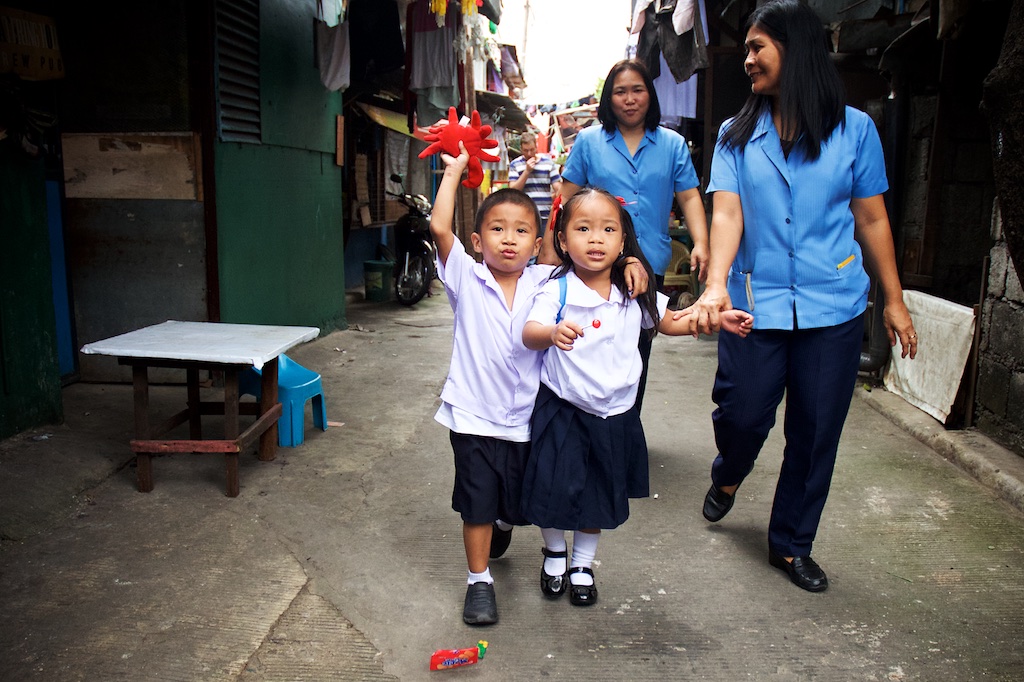
In vulnerable communities, early childhood care and development services are often critical to ensuring children have a strong, healthy start in life. In the Philippines, Holt sponsors and donors help provide home-based services to promote children’s healthy development within the first 1,000 days of birth. Through this pilot program led by our partner, Kaisahang Buhay Foundation (KBF), children receive regular nutrition screening and support, parents gain skills and knowledge to help their children thrive, and social workers provide psychosocial counseling to families as needed. They also receive a daily nutritious lunch.
In addition to building the caregiving capacity of parents and supporting the holistic development of children in their own homes, this program also aims to engage community leaders, volunteers, healthcare workers and partnering NGOs in promoting early childhood care and development services in vulnerable communities. Throughout the implementation of this program, KBF staff and partners will document the pilot experience with the goal of replicating and scaling up home-based services for children in communities across the Philippines.

Nutrition & Health
Holt sponsors and donors help care for the nutrition and health of children in many programs in the Philippines. Children in our home-based early childhood care and development program receive nourishing meals as well as routine screenings to ensure they are growing at a healthy rate. Through our Independent Living & Educational Assistance (ILEA) program, teenagers who have aged out of institutional care live together in group homes and receive a monthly stipend for food as well as regular medical care. And through a special supplemental feeding program, which aims to provide 300 extra calories per day for a child’s first 1,000 days — a critical time of physical and cognitive development. Malnourished children who live with their families also receive rehabilitative care, including nutritious meals every day while their parents learn skills to help them properly nourish and care for their children.
Parenting Education
Across Holt programs, sponsors and donors support efforts to promote positive, non-violent and trauma-informed parenting practices so children can grow up safe and nurtured within their families. In the Philippines, our partner KBF conducts parenting sessions in communities where children are at greater risk of abandonment, abuse and neglect. These sessions strengthen family relationships, build community support, and increase parents’ understanding of children’s rights, development and the impact of trauma. By empowering families and addressing challenges such as poverty and social stigma, the program helps prevent family separation and supports children’s healthy growth and wellbeing.
With the support of sponsors and donors, parents learn and begin to practice positive discipline techniques. They learn about child development and milestones, how to engage in positive play with their children, health and nutrition, and how to locate and access community services and support.
Orphan & Vulnerable Children Care
Child sponsorship provides care for the most vulnerable children in the Philippines.
In the Philippines, a stigma against unwed mothers, poverty, and mental health and addiction issues cause many children to enter orphanage care. Through our partnerships, sponsors and donors help provide nurturing care for every child while they wait to rejoin their family or join an adoptive family.

Foster Care
The one-on-one attention of a caregiver is absolutely essential to a child’s healthy growth and development. But children living in orphanages rarely receive this kind of attentive, nurturing care. To provide a more nurturing alternative for institutionalized children, Holt has through the years developed model foster care programs in many of the countries where we work. Today, Holt sponsors and donors continue to support foster care for children in the Philippines through our partner in Manila and in Rizal.
As this program is so long established, children often stay in the care of foster families who have fostered upwards of 30-50 children over the course of 30-40 years. Over the past 40 years of program implementation, the network of foster families has collectively provided care to approximately 1,500 foster children.
KBF, our childcare partner, directly oversees the program and ensures foster parents receive thorough training in best childcare practices. With donor support, children receive holistic care including nutrition and medical services, and KBF social workers regularly visit the children to assess their development — ensuring they have everything they need to thrive while they wait to rejoin their birth family or join a family through adoption.

Standards of Care
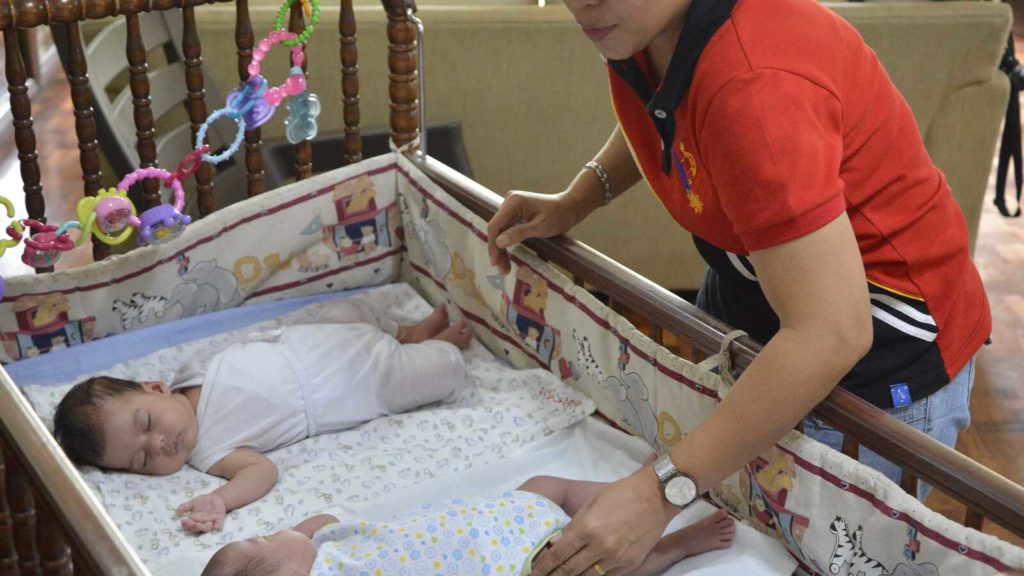
Everywhere Holt works, we strive to elevate the standard of care provided to orphaned and vulnerable children. In the Philippines, sponsors and donors help provide support to children through age 12 who live in either private or government institutions. Some children have special needs. Every child receives the physical, emotional, nutritional and nurturing care and attention they need while our partner, KBF, helps develop a permanency plan for them. Everywhere Holt works, we strive to reunite children with their birth families before we consider in-country or international adoption. If that’s not possible, we work to unite them with a loving adoptive family.

Family Reunification
Far too often, around the world, poverty separates children from their families. But at Holt, we believe that children should have every opportunity to grow up in the love and care of their family. Everywhere we work, we strive to reunite children living in orphanages with their birth families before we consider in-country or international adoption for them. In the Philippines, our local partner works to reunite children living in foster homes or childcare centers. Before children return home, social workers ensure their families are stable and equipped to care for them and can provide a safe home environment.
Over the past 40 years, approximately 500 of the 1,500 children placed in foster care were successfully reunified with their birth families. In the last 10 years alone, around 150 children were reintegrated into their families, reflecting a consistent trend in family reunification. This means that, on average, at least 15 to 20 foster children have rejoined their birth families each year during the past decade.

Adoption in Birth Country
Everywhere Holt has adoption programs, our first priority is always to reunite children with their birth families whenever possible. When this is not possible, Holt seeks to place children in the loving care of a domestic adoptive family — giving every child the opportunity to grow up in the country and culture of their birth. Adoption was uncommon in the Philippines when Holt began advocating for local, in-country adoption in the 1970s. But today, more children in the Philippines join families in their birth country every year than they join families in the U.S. or other countries. Holt continues to support in-country adoption in the Philippines by providing the resources and support our partners need to complete homestudies and ensure a smooth, ethical process for both the child and their adoptive family.
With the support of sponsors and donors, Holt’s social work team in the Philippines helps to develop a pool of approved adoptive families as a ready resource for placement of children who are legally eligible for adoption. They help to ensure timely case management of all adoption cases, and also develop the capacity of adoptive families in handling adoption-related issues. These efforts strengthen networking with partners at the national and local levels in promoting and advocating for legal adoption throughout the country. Every year, on average, KBF helps unite 10 children with loving adoptive families in the Philippines.
Nutrition & Health
Malnutrition and hunger-related illnesses remain among the most serious threats to children growing up in poverty, particularly during the critical early years of life. In the Philippines, malnutrition among children under age 5 continues to be a major concern, especially in vulnerable communities where families have limited access to adequate food and health services.
With the support of partners and donors, KBF works to safeguard the nutrition and health of orphaned and vulnerable children through community based interventions and child welfare programs.
Children participating in the Community Based Early Childhood Care and Development program, implemented in partnership with local day care centers and parents, receive regular nutrition screening and growth monitoring to ensure that they are developing well. When needed, children are supported through supplemental feeding initiatives that provide additional daily nutritional intake during the first 1,000 days of life, a critical period for physical growth and brain development.
Malnourished children living with their families receive rehabilitative support, including nutritious meals and close monitoring. Parents and caregivers are also guided on proper feeding practices, child nutrition, and basic health care to help sustain the child’s recovery and long-term wellbeing.
Through Holt’s Child Nutrition Program (CNP), caregivers in partner childcare agencies and foster families are trained to assess children’s health and nutrition, monitor growth, and implement appropriate feeding and health interventions, particularly for children with disabilities or special needs. Families preparing for reintegration also receive nutrition education to help maintain healthy practices when children return home.
In addition, the Community-Based Pregnancy Counseling Service provides psychosocial support and referrals for women experiencing crisis pregnancies. This includes maternity and newborn kits, essential vitamins, and basic nutrition education to support the health and wellbeing of both mother and baby.
Independent Living & Educational Assistance Program
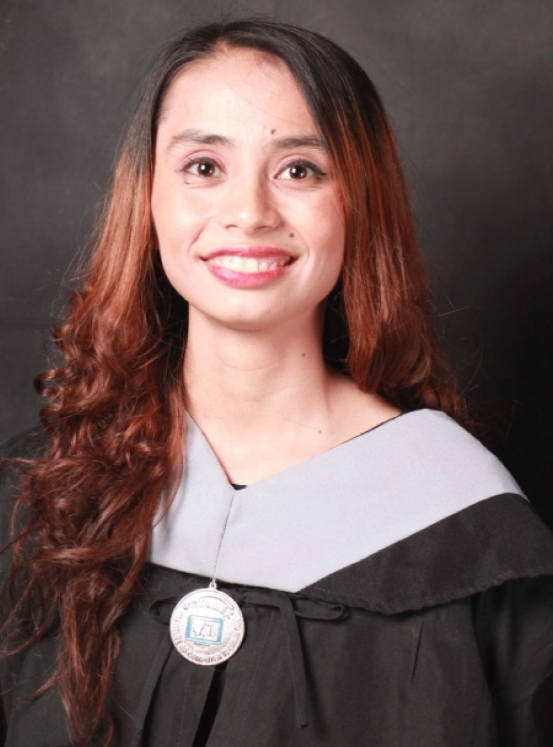
When children living in orphanages reach 18 and age out of institutional care, they often find themselves on their own without any support or resources. They don’t have parents to guide them or support them while they find a job. They don’t have a college savings fund or anyone to help them apply for scholarships. They are completely on their own. In many places, children aging out of institutional care are at greater risk of being trafficked, exploited or getting involved with crime or drugs.
In the Philippines, sponsors and donors support a unique program that assists young adults who have aged out of care to develop the skills necessary for successful independent living. Through Holt’s Independent Living and Educational Assistance (ILEA) program, around 13–15 young adults receive support while pursuing their college education or vocational training. The scholars live in different dormitories or boarding houses located near their respective schools, allowing them to practice independent living in real-life settings. Prior to their referral to the program, these young adults were already assessed and prepared for an independent living arrangement, enabling them to gradually manage their daily routines, academic responsibilities, and personal needs while receiving financial assistance for their education and basic living expenses.
The scholars receive regular guidance and support from the ILEA social workers through home visits, counseling and structured learning sessions that focus on life skills, decision-making and personal development. The program also organizes periodic gatherings where the scholars come together for learning activities and family-like bonding experiences that strengthen peer support and encourage shared learning. These activities help foster a sense of belonging while preparing them for the next stage of adulthood, particularly as they complete their studies, secure employment and eventually transition out of the program toward fully independent lives.
International Adoption from the Philippines
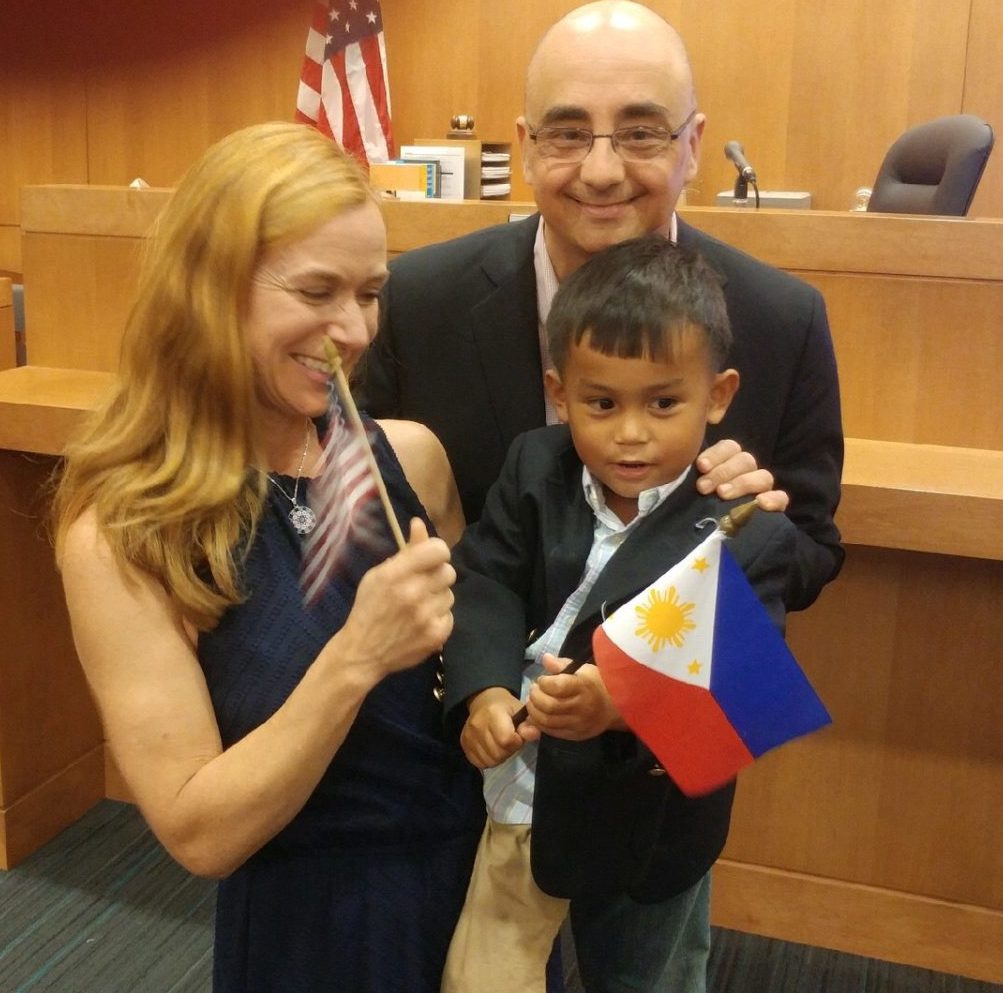
Helping Children Join Loving, Permanent Families
Holt began finding adoptive families for children in the Philippines in 1976 and through the years has helped more than 1,075 Filipino children join loving, permanent families in the U.S. Today, Holt seeks families for children with special needs, sibling groups and older children who are waiting.